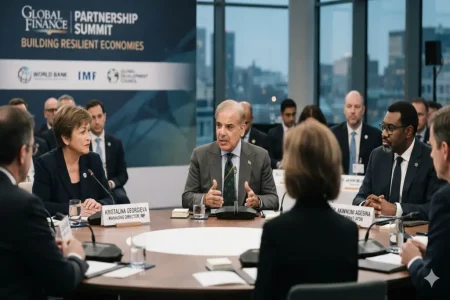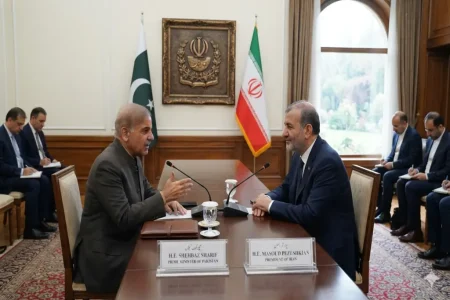


New York wasn’t exactly where you’d expect a Gulf security story to unfold, but that’s where it happened. On the sidelines of the UNGA, Pakistan’s Deputy PM Ishaq Dar met Saudi Foreign Minister Prince Faisal bin Farhan and Turkish FM Hakan Fidan. No trade talk this time. The agenda was security, tied directly to the attacks on Saudi Arabia that have rattled the region in recent weeks.
What the Three Ministers Actually Discussed
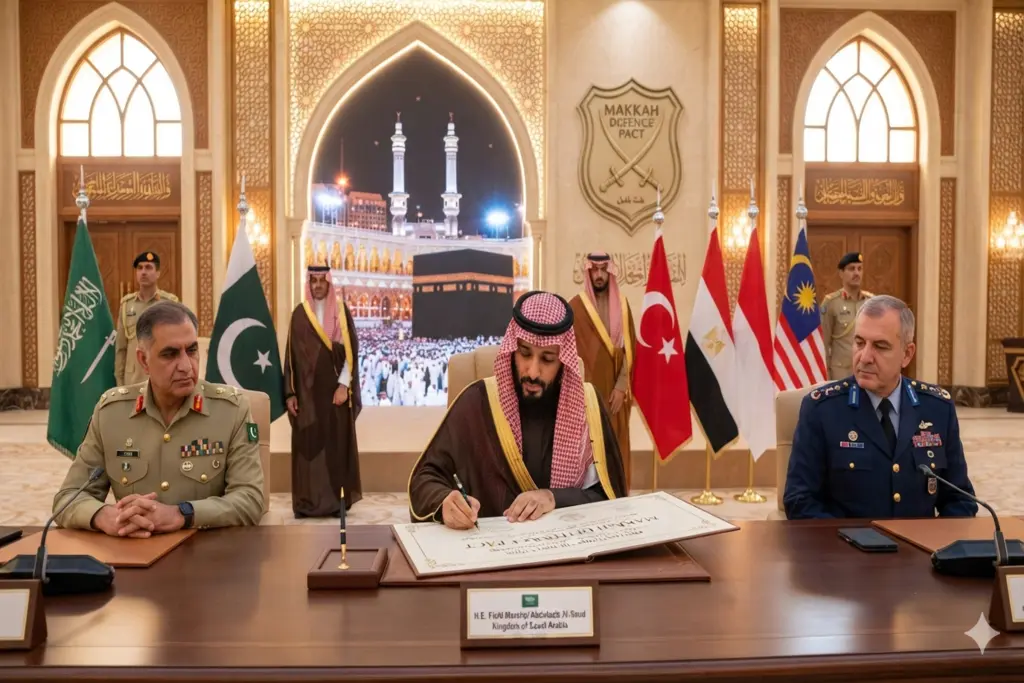
They condemned the Houthi attacks on Makkah and on Saudi civilian sites, calling them out in blunt terms. They also backed Riyadh’s right to self-defence under Article 51 of the UN Charter. This wasn’t a standalone gesture. It connects to the Makkah Defence Pact signed back in August, where the three countries agreed that if one gets attacked, all three respond.
Where the Pact Came From
It didn’t appear overnight. Officials first met in Istanbul for the alliance’s founding session, and Pakistan ended up leading the secretariat. Retired Lt Gen Nauman Mahmood was named its first secretary general soon after, putting Islamabad squarely in the middle of how this alliance actually functions.
Why It Should Matter to People in Pakistan
Think about how many households here have someone working in Saudi Arabia. That’s not a small number. When Riyadh’s security wobbles, it’s not just a foreign policy headline, it touches remittances, job security, and honestly, a bit of peace of mind for families back home.
Pakistan Hasn’t Stayed Quiet
PM Shehbaz Sharif made it clear Pakistan stands with Saudi Arabia on sovereignty and security. The military said much the same. ISPR’s DG called the commitment unconditional, which is about as direct as these statements get.
What Comes Next
- A military chiefs meeting between all three countries is being arranged
- Turkiye’s top general is set to travel to Saudi Arabia
- The Riyadh-based secretariat, headed by Pakistan, continues its setup work
- All three sides want de-escalation, not more conflict, in the region
For Readers Keeping Track
- Watch Foreign Office updates on the military chiefs meeting
- Follow Saudi government statements on Houthi activity
- If family works in the Gulf, check for any travel advisories
- Stick to verified news sources instead of social media chatter
Conclusion
This meeting signals something real. Pakistan’s involvement in Gulf security is shifting from statements to actual coordination. For most Pakistanis, that means the news from Makkah and Riyadh isn’t distant anymore, it’s tied to home. Keep an eye on what the military chiefs decide next, because that’s where this story really gets tested.