

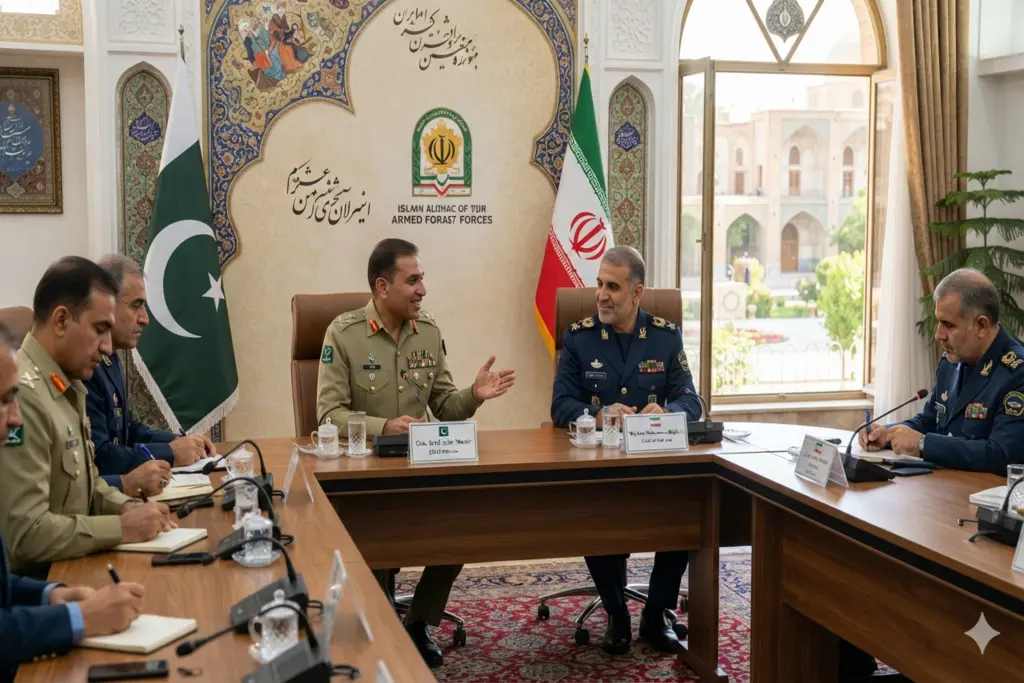
Anyone scrolling through the news this week in Pakistan would have caught it. Field Marshal Asim Munir touched down in Tehran on Monday, only days after a phone call with US President Donald Trump that hadn’t been made public until now. Three Pakistani sources told Reuters that the call had a fairly simple ask behind it: get Iran talking to the US again. It’s not a small thing for Pakistan to be pulled into this. The country borders Iran, trades with it, and now finds itself being leaned on to play middleman once more.
Why Trump Called Pakistan’s Army Chief
Just last week, Trump had warned that any country offering “any type of lifeline to Iran” would face economic consequences. That put Pakistan in an awkward spot, given how close the two countries are geographically and economically. Rather than going after Islamabad through public pressure, it seems Trump went the quieter route, a direct call, a direct ask. One source described the underlying problem bluntly: there’s a “trust deficit on both sides” between Washington and Tehran. Munir’s role, as it’s been explained, was to try and chip away at that.
What Actually Happened in Tehran
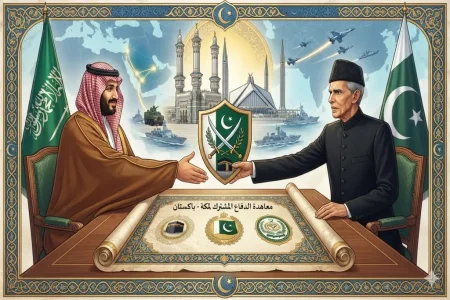
Munir wasn’t travelling alone. He was joined by Interior Minister Mohsin Naqvi, and Pakistan’s military framed the visit as part of a broader push toward regional peace and stability. He was also expected to sit down with people close to Iran’s Supreme Leader. But the trip wasn’t only about US-Iran tension. Reports suggest Munir also planned to bring up the Houthi strikes on Saudi Arabia, along with the newly signed defence agreement tying Pakistan, Turkey, and Saudi Arabia together.
Why This Matters Back Home
- Pakistan already tried this once. The Islamabad Memorandum, signed in June, was meant to ease tensions but eventually fell apart.
- Renewed conflict near the border could hit trade, fuel supplies, and security in areas like Balochistan.
- A calmer outcome would take some pressure off an economy that’s already stretched thin.
Things Worth Watching
- Whether Tehran or Islamabad releases any statement after this visit.
- New sanctions targeting countries doing business with Iran.
- Whether the old Islamabad Memorandum gets revived in some form.
Conclusion
Pakistan keeps getting called on to bridge this particular gap, and whether that trust actually holds this time will say a lot about where things head next, both for the region and for Pakistan’s own economic breathing room.