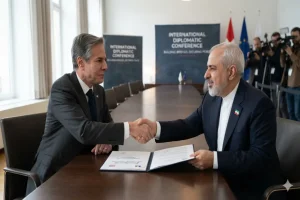


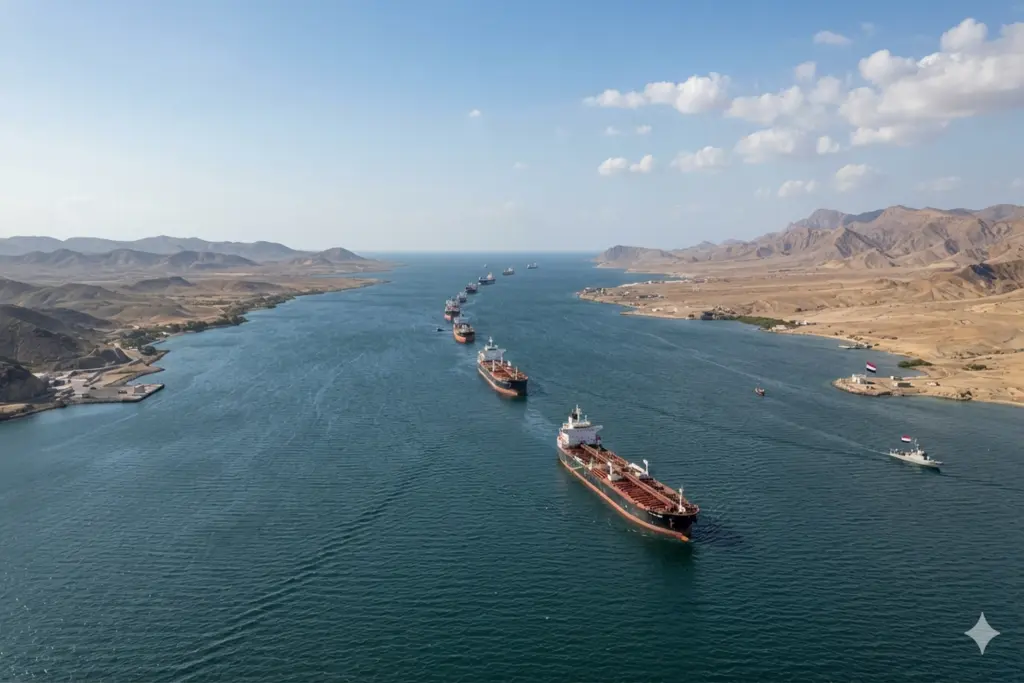
Pakistan has taken a firm stand at the United Nations, condemning what it called the Houthis’ “nefarious designs” to weaponise Bab al-Mandab, a narrow but hugely important sea passage. This came straight from Pakistan’s top diplomat during a UN Security Council session, and it matters for ordinary Pakistanis too, since trouble in this route can quietly push up fuel prices and food costs back home. This is a diplomatic story, but its real weight lands in kitchens and petrol pumps across the country.
Why Bab al-Mandab Matters to Pakistan
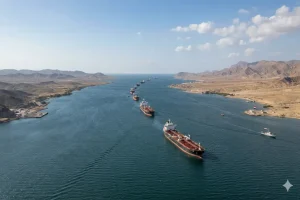
Bab al-Mandab sits between Yemen and the Horn of Africa, linking the Red Sea to the Gulf of Aden, and onward through the Suez Canal towards Europe. A large chunk of Pakistan’s trade with the Gulf and Europe passes through here. When this passage is threatened, shipping costs and insurance premiums climb, and those extra costs eventually reach the common man through pricier imported goods and fuel. Pakistan has also repeatedly called for de-escalation as attacks around this corridor have escalated in recent weeks.
What Pakistan Said at the UN
Speaking at a UNSC Arria-Formula meeting, Pakistan’s envoy to the UN, Ambassador Asim Iftikhar Ahmad, said Pakistan strongly condemns the Houthi militia’s attempt to weaponise Bab al-Mandab through attacks on merchant shipping and innocent seafarers. He repeated Pakistan’s solidarity with Saudi Arabia, noting such attacks undermine maritime security and regional development. He warned these provocative acts could have dire consequences for stability, and separately raised concerns over disruptions in the Strait of Hormuz, calling for de-escalation and safe passage for ships and crews.
Pakistan’s Wider Concerns
- A coastal Indian Ocean state and signatory to the UN Convention on the Law of the Sea
- Insists shipping should never become a casualty of regional conflict
- Helped broker earlier Iran-US de-escalation through the Islamabad MoU
- Has a long record of urging the Houthis to halt hostilities and return to peace talks
What It Means for the Common Pakistani
This may seem like a distant Gulf issue, but Pakistan brings in much of its fuel and edible oil through sea lanes touching this strait. Any disruption tends to show up fast at petrol pumps and grocery shelves, while Pakistani crew members on international vessels face direct personal danger during such attacks.
Conclusion
Pakistan’s condemnation of the Houthis’ bid to weaponise Bab al-Mandab is a warning about real costs reaching Pakistani homes, not just diplomatic language. Safe shipping lanes protect jobs, prices and lives, and that urgency runs through Pakistan’s message at the UN.