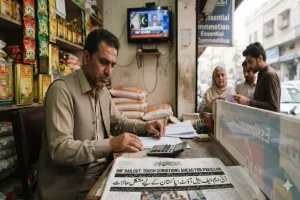
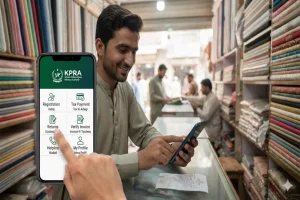



Pakistani dramas rarely sit silently in the background and this one certainly hasn’t. Aik Aur Pakeezah has become the talk of the town from Karachi to Peshawar. Not only the story but the uncomfortable questions it raises about cybercrime and digital privacy in our everyday Pakistani homes. Mobile banking, family WhatsApp groups—smartphones are now central to daily life and the drama has struck a nerve few expected.
What the Drama Is Really All About
It is the story of Pakeezah and her fiancé Faraz, whose life goes haywire when a private video is shot and leaked on the internet. The show is more interested in the aftermath of the crime than in the crime itself: the public shaming, the character assassination, and the quiet pressure on the woman to keep quiet. This is part of a pattern of behavior that researchers have long documented in Pakistan, where victims often go back and those responsible face few consequences.
Why This Story Feels So Personal
There are now over 72 million internet users in Pakistan, and nearly 40 percent of women say they have been victims of some sort of online harassment. In a country where most people’s first experience of the internet comes on a mobile phone rather than a computer, digital privacy is not some theoretical matter. It reaches families that may never have set a screen lock, let alone known how quickly leaked content can spread.
What Pakistani Law Really Says
“Many viewers don’t know that Pakistan already has legal protection. This is precisely the harm the Prevention of Electronic Crimes Act (PECA), 2016, aims to solve. Section 20 addresses digital defamation and Section 21 addresses sharing private content without consent, whether it is genuine or edited. Because the victim is a minor, the punishments are harsher. Article 14 of Pakistan’s Constitution also guarantees personal dignity and privacy and extends that protection to online spaces.
The Family Practical Checklist
The drama is fictional, but the dangers are real. What households can do:
•Enable two-factor authentication on WhatsApp, Facebook and Instagram.
•Never share personal videos or photos through unprotected chats, even with people you trust.
•Do not remain silent; report harassment to the FIA Cyber Crime Wing.
•Talk to kids and teens about consent before recording or sharing anyone’s content.
•Before you block the abuser, take screenshots or save evidence.
•This will help you in filing a complaint.If you need legal advice, contact local NGOs such as the Kashf Foundation.
A Show With Real-World Impact
What makes Aik Aur Pakeezah special is its partnership with Kashf Foundation, a Pakistani microfinance institution that has been working with the Government of Canada for 25 years to support women. The intention was never to entertain in itself but to start a national debate on cybercrime that Pakistani society has avoided for too long.
Conclusion
Dramas rarely change laws overnight, but they can change conversations, and that change has already begun in living rooms across Pakistan. Whether you make it to the end of the series or not, the message is clear: digital privacy is not an option in 2026; it’s a basic form of self-protection. Start the talk about internet safety with your family today before a crisis forces you to talk about it tomorrow.
References