


Even after a storm loses its name, the danger it leaves behind can be just as serious and just as instructive for other flood-prone nations. That is exactly what is happening as flood danger continues across parts of the American Southeast, days after Bertha made landfall and weakened into an ordinary area of low pressure, and it holds real lessons for Pakistan as its own monsoon season builds.
How a Weak Storm Is Still Causing Big Problems
Bertha came ashore in southeastern Louisiana as a modest tropical storm, packing winds of only around 45 mph. By Thursday evening it had already broken down into a depression, and by late Thursday night the National Hurricane Center issued its final update, marking Bertha as fully dissipated. On paper, that sounds like the threat is over. In reality, it is not, and this gap between “storm ends” and “danger ends” is the single biggest lesson for flood-prone countries like Pakistan.
A tropical system does not need strong winds to be dangerous. What matters most is moisture, and Bertha pulled huge amounts of it from record-warm Gulf waters.
Where the Bertha Remnants Are Hitting Hardest
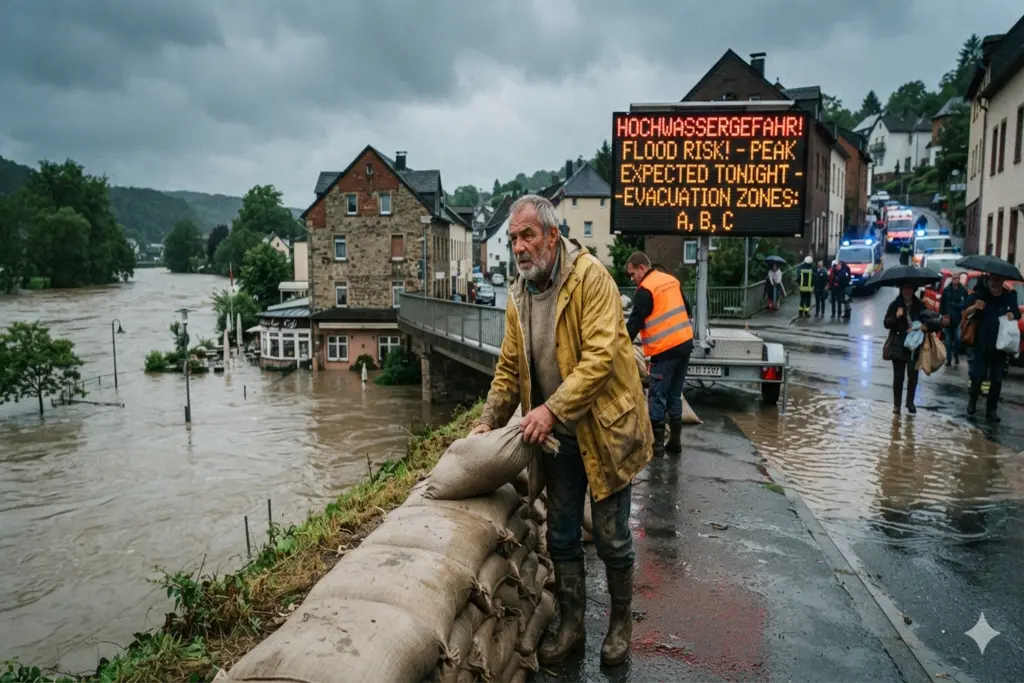
The heaviest flooding risk now stretches from southern Virginia through the Carolinas and into northern Georgia and Alabama. Parts of North Carolina have already received close to a month’s worth of rain in just a few days. Flash flood warnings forced a brief closure of a stretch of Interstate 40 near Durham, and areas around Knoxville, Tennessee, saw up to five inches of rain in only a few hours earlier this week.
Why Pakistan Should Pay Close Attention
This is not only an American weather update. It is a preview of what Pakistan faces every monsoon, when cities like Karachi, Lahore and Peshawar see drainage systems overwhelmed within hours. Just like in the Southeast US, the real danger in Pakistan often arrives after the heaviest rain has technically passed, once saturated ground and clogged nullahs turn ordinary rainfall into sudden, deadly flash floods.
Quick Safety Checklist for Flood-Prone Areas
- Check daily alerts from the PDMA and NDMA in Pakistan or the National Weather Service abroad.
- Never drive or wade through flooded roads, even if the water looks shallow.
- Keep phones charged and use mobile wallets such as JazzCash or Easypaisa so funds stay accessible if banks close.
- Move important documents, cash and valuables to higher ground early.
- Agree on a family meeting point and emergency contact in case of separation
Conclusion
Bertha may no longer carry a name on the forecast map, but its leftover moisture proves that flood danger does not end when a storm downgrades. For Pakistan, where monsoon floods repeat this pattern every year, the lesson is simple: treat the days after heavy rain with the same caution as the rain itself. Preparing today is far cheaper than recovering from a flood tomorrow.
References