



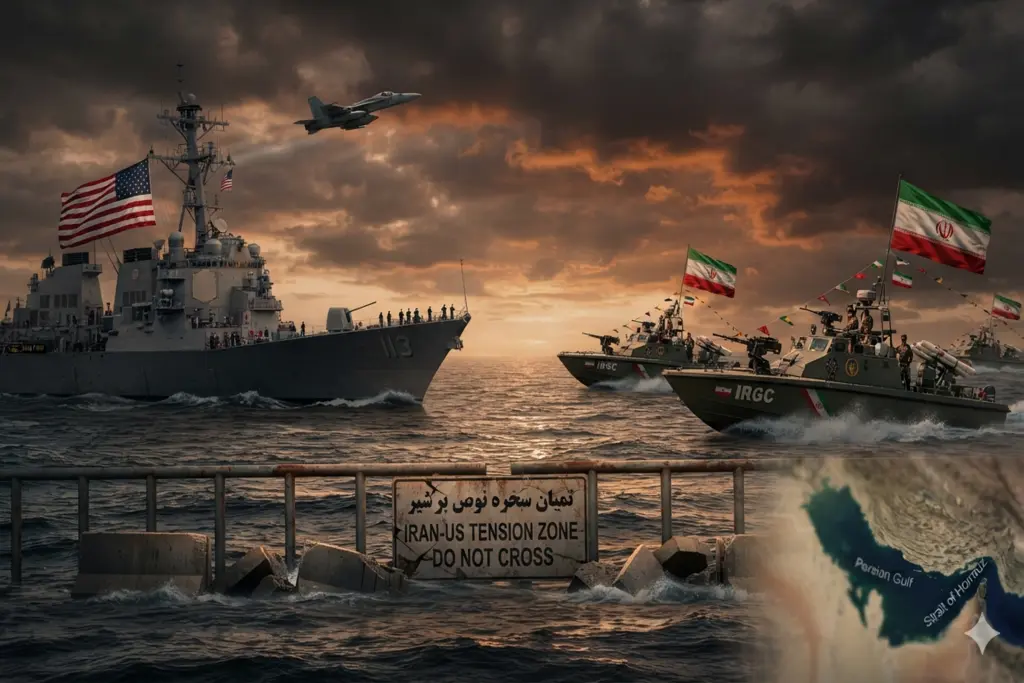
Tehran and Washington have again been engaged in a war of words and this time Pakistan cannot afford to just watch from the wings. Iran has rejected direct talks with the United States, saying it will not negotiate until the United States complies with the terms of an interim deal signed in June. This standoff next door matters more than it might seem at first glance for Pakistanis already coping with skyrocketing fuel costs and an uncertain economy.
What Iran Actually Means
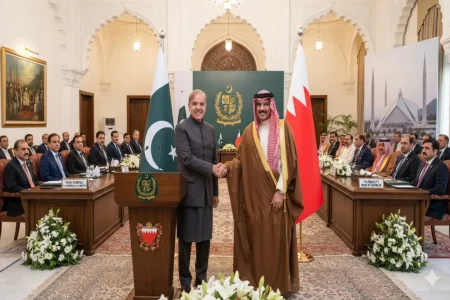
“Tehran and Washington are not in direct talks at the moment,” Iranian Foreign Minister Abbas Araghchi said Sunday. There were still messages being passed through intermediaries, including possibly Pakistan and Qatar, but there was no face-to-face dialog going on, he said. Araghchi’s message was blunt: Iran would not return to the table as long as the United States continued to violate the June interim deal.
Why the Strait of Hormuz should matter to Pakistan
The dispute is closely linked to the Strait of Hormuz, the narrow sea passage through which a large share of the world’s oil flows. Iran and Oman are said to be close to a separate deal on shipping lanes through the strait, but Tehran has said full reopening would depend on Washington meeting its own conditions first. Extended closure or disruption will drive up global oil prices. Pakistan, which imports most of its crude and LNG, feels that pinch almost immediately at the pump and in electricity bills.
How Ordinary Pakistanis Could Be Affected
•If the Gulf shipping routes remain blocked petrol and diesel prices will go up.
•Potential delays or higher costs of imported LNG shipments.
•Remittance pressure if instability spreads and hits the large Pakistani workforce in the Gulf.
•Pressure on currency as costlier oil imports widen the trade gap and weaken the rupee.
Quick Household and Small Business Checklist
•Keep an eye on fuel price announcements from OGRA, which usually follow the global oil trends within days.
•Companies that depend on importers should monitor shipping and freight updates and not take normal transit times for granted.
•Families of relatives in the Gulf are advised to follow the official sources of the embassy for any travel advisory.
•Don’t panic buy fuel/essentials based on rumor; follow verified news sources.
Conclusion
The Iran-US standoff is not yet over, and Pakistan is close enough to the Gulf that any escalation will not remain a distant headline for long. Watching fuel prices, staying informed through credible sources and building up a small financial cushion are some practical steps that ordinary households can take while diplomacy plays out. The bigger lesson here is simple: when the Gulf sneezes, Pakistan’s economy tends to catch a cold, so better to be prepared than to react after prices have gone up.