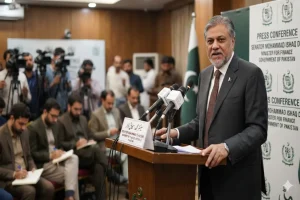


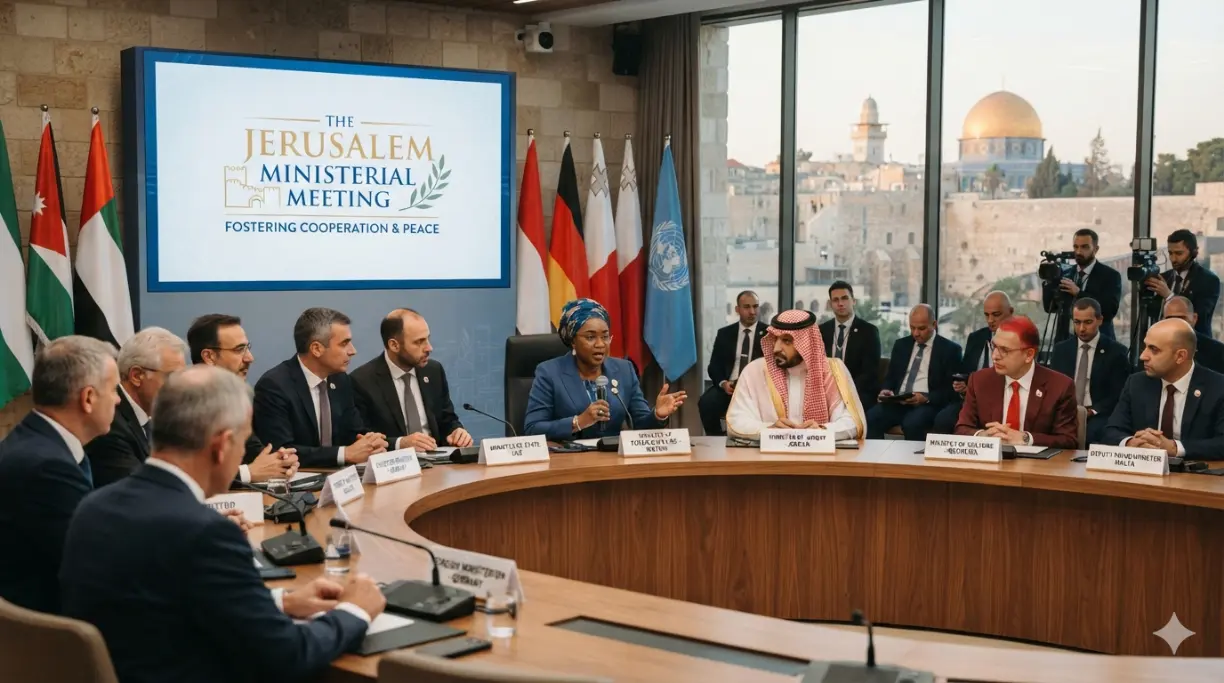
This week Pakistanis awoke to news of great religious and diplomatic importance. Deputy Prime Minister and Foreign Minister Ishaq Dar flew to Jordan to attend a summit of Muslim countries centered on one of Islam’s holiest sites. It wasn’t just another diplomatic visit. It was Pakistan raising its voice, yet again, for Al-Aqsa Mosque and the Palestinian cause that hits home with the people from North to South.
Why This Meeting Matters to Pakistan
Foreign policy news can seem like a world away from the average Pakistani household. But Jerusalem is another matter. Al-Aqsa is Islam’s third-holiest site and its safety resonates with the hearts of millions here who follow the news closely on television, WhatsApp groups and social media. When Dar spoke in Amman of repeated incursions by extremist Israeli settlers, he was expressing a concern that is widely felt at home, from mosques in Lahore to living rooms in Karachi.
What Dar said in Amman:
Dar told the ministerial conference that Israel has no legal sovereignty over East Jerusalem and its holy sites. Israel’s actions, he said, undermined international law and the prospects for lasting peace. He also expressed appreciation for Jordan’s historic role in the protection of Islamic and Christian sites in Jerusalem, recognizing the Jordanian-affiliated body that administers Al-Aqsa as the legitimate authority.
Outside the Main Session
The visit did not consist of one speech. Dar also held separate meetings with the foreign ministers of Turkey, Egypt, Algeria and Somalia, discussing trade, defense, and regional cooperation. He also held talks with his Jordanian counterpart on the deteriorating situation in the occupied West Bank and wider regional issues, including the US-Iran conflict.
Why This Matters For Average Pakistanis
And while this is a diplomatic event far from home, it touches on everyday life in some ways:
It reflects Pakistan’s foreign policy priorities on the world stage.
That has implications for how Pakistan positions itself with Gulf and other Muslim-majority allies—and that matters for trade, remittances and jobs overseas.
It is a reflection of the sentiments of the public dear to Pakistanis, especially religious places.
How to Stay in the Loop
•For the latest updates on official channels, follow the Foreign Office Pakistan.
•For the real statement, see Dawn and APP, reliable sources.
•Don’t circulate unverified Jerusalem WhatsApp claims before checking sources.
Conclusion
This meeting in Amman was a reminder of the fact that Pakistan continues to raise its voice on Jerusalem and Palestine at every possible forum. For ordinary Pakistanis, it is both a matter of faith and of foreign policy. Al-Aqsa diplomacy may seem distant, but its result will bear on the regional peace that will eventually come home.
References: