



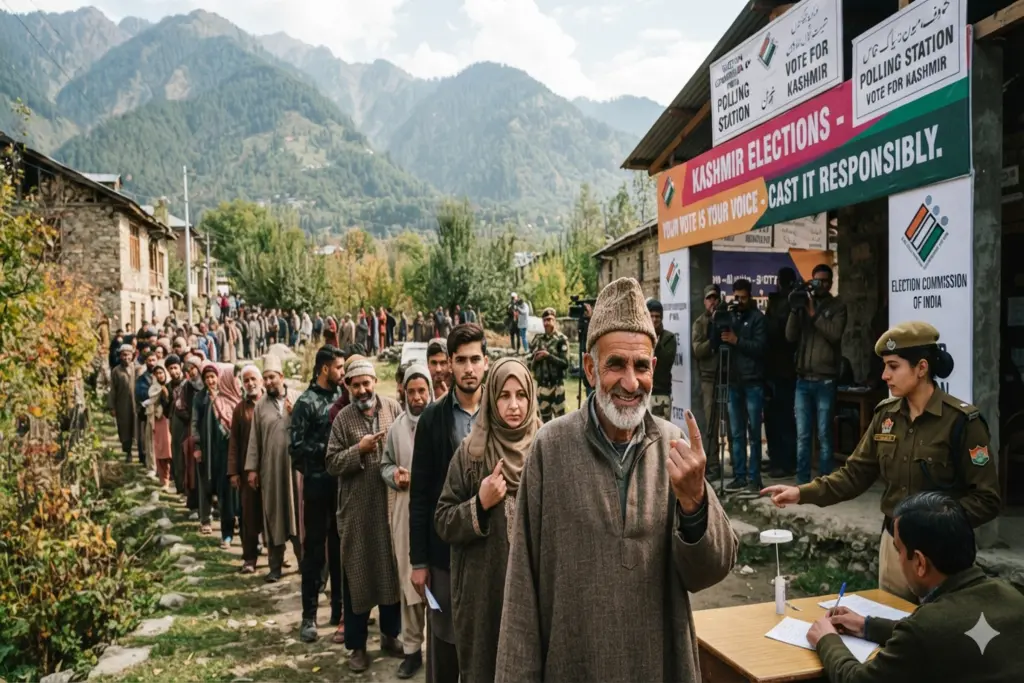
Election season has arrived in Pakistan-administered Kashmir, but instead of the usual buzz of flags and rallies, this year the mood is tense. Streets in Muzaffarabad are lined with party banners, yet many households are more worried about safety than about who wins. Protest marches, police clampdowns and a rising number of deaths have turned a routine regional vote into one of the most closely watched Pakistan-administered Kashmir elections in the region’s recent history.
Why This Election Is Different
The Azad Kashmir Legislative Assembly election was originally set for one single day, but officials split the voting into three separate dates after unrest, with the Mirpur division voting on 27 July, Muzaffarabad and refugee-reserved seats on 2 August, and Poonch, the centre of the protests, on 10 August. This staggered schedule shows how seriously the local election commission is treating the security situation on the ground.
What Is Fuelling the Unrest
At the centre of the anger are 12 assembly seats reserved for Kashmiri refugees who moved to Pakistan after the 1947 partition and now live outside the region. Local protesters argue these seats should go only to people currently living in the region. The group leading the demonstrations, the Joint Awami Action Committee, has since been banned under anti-terrorism laws for allegedly threatening public order. Since June, dozens of people, mostly protesters but also police personnel, have reportedly died in the unrest. The United Nations human rights chief has called for calm and independent investigations into the ongoing election violence affecting the region.
How This Affects Everyday Families
For ordinary residents, this election season means more than politics:
- Frequent mobile internet restrictions during protest periods, disrupting mobile banking and small online businesses
- Travel advisories and roadblocks affecting daily wage earners, traders and transporters
- Schools and markets closing early on protest days
- Extra security checkpoints near polling areas, especially in Poonch and Muzaffarabad
A Checklist for Voters and Families During Election Season
- Check local news or district administration updates before travelling on protest days
- Keep some cash at home, since mobile wallets may be affected by internet shutdowns
- Confirm your polling date and constituency, since voting is now split across three days
- Avoid large public gatherings if advisories are in place
- Stay in touch with family through backup contact plans in case of network blackouts
Where This Leaves the Region
Pakistan-administered Kashmir’s election was meant to be a simple democratic exercise, but the fight over refugee representation has turned it into a test of how the region handles dissent. Whatever the outcome on polling day, the underlying grievances, jobs, electricity bills and political representation, are unlikely to disappear once the votes are counted.
Conclusion
As Pakistan-administered Kashmir heads to the polls in stages, residents are advised to stay informed, plan around possible disruptions, and put personal safety before political rallies. Vote wisely, stay safe, and keep watching how this election reshapes the region’s future.
References: