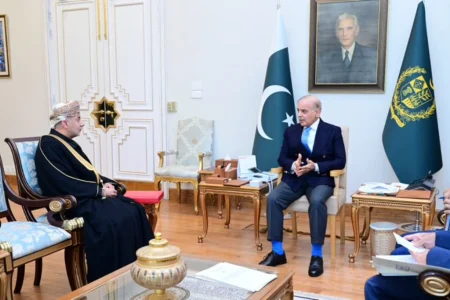
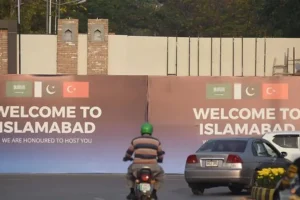



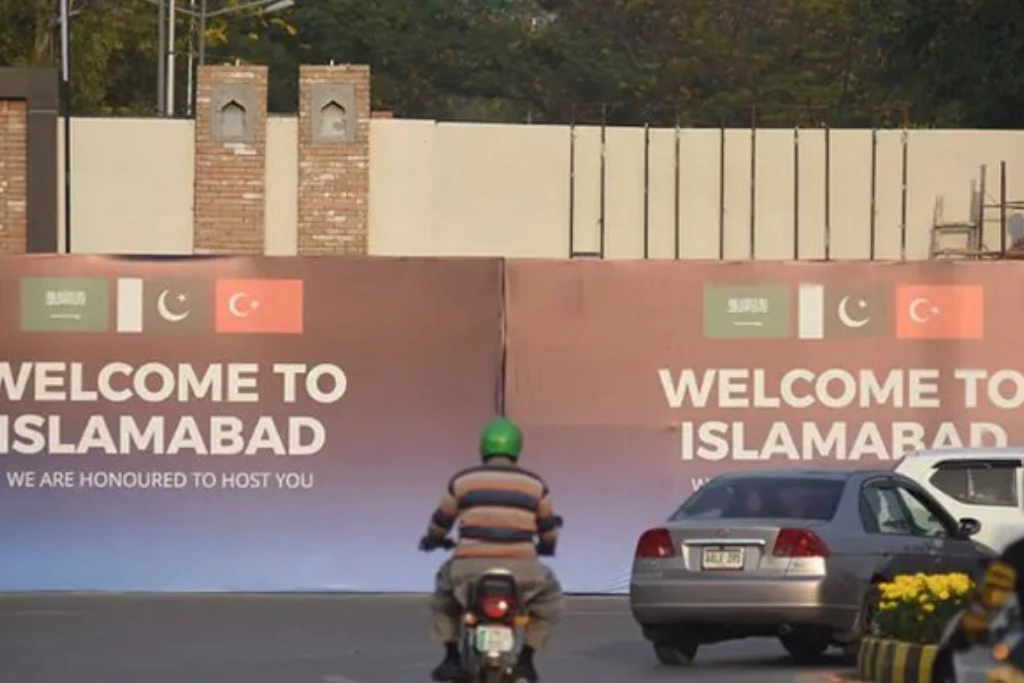
The Makkah defence alliance members from Pakistan, Saudi Arabia and Turkiye are meeting in Islamabad today at an apex security committee to discuss regional security as well as the Yemen situation. Taking place on Friday, November 27, 2026, the meeting includes the foreign and defence ministers and senior military members from each country. In order to ensure appropriate security and protocol can be provided for such an important meeting, the Islamabad Capital Territory (ICT) along with Rawalpindi has been put on public holiday. However, hospitals, police, IESCO, SNGPL, CDA and city corporations continue to function normally.
The Makkah Defence Alliance, signed in August 2026, unites Pakistan, Saudi Arabia and Turkiye in a common defence agreement. It recognises that an attack on any of these countries is an attack on them all.
Yemen Conflict and Regional Threats on Makkah Defence Alliance Agenda
Defence Minister Khawaja Asif said prior to the Islamabad meeting that Saudi Arabia’ s southern border instability would be an important topic for discussion. Since hostilities in Yemen resumed in July, Houthi rebels who control swathes of land including Yemen’s capital Sanaa have continually attacked Saudi Arabian cities, as well as oil installations and trade routes.
Khawaja Asif stressed that if Saudi Arabia faced a threat then so too did Pakistan and Turkiye, in accordance with the agreement. Although he recognised that much work still needed to be done in developing the alliance and therefore there would be regular meetings in the months ahead, the minister also cautioned that regional countries must unite in order to counter any possible attack by Israel.
Pakistan’s Diplomatic Role Between Washington and Tehran
Against the wider Middle East background of US-Israeli attacks on Iran which occurred in February 2026, Islamabad successfully mediated a June agreement which temporarily halted the US-Tehran conflict and also set out plans for the re-opening of the key Strait of Hormuz and resumption of nuclear negotiations.
Despite the subsequent breakdown of this peace deal due to each side alleging the other was breaking the terms, Pakistan and Qatar have persistently engaged in back channel diplomacy with a view to re-instating a permanent ceasefire. Commenting on Islamabad’s peacemaking role in the US-Iran dispute, Khawaja Asif described this as effective but precarious. As such, the current Makkah Defence Alliance discussions in Islamabad are of crucial importance in ensuring overall regional stability.