



Again Pakistan has been called upon to defend its borders. Islamabad confirmed Thursday it had 10 locations in Afghanistan after drones were fired into Pakistani airspace a day earlier. For the common man in Peshawar, Chaman or Quetta this news is not just a headline. It touches upon everyday life, from border trade to travel plans.
Pakistan Bombs Afghan Soil in Retaliatory
Attacks Information Minister Atta Ullah Tarar said the strikes were carried out in exercise of Pakistan’s right to self-defence. He described them as “deliberate, precise, calibrated and proportionate” and said they targeted only sites used to launch and store the drones used in the earlier attack.
The Reason for the Reply
Pakistan’s air defence systems detected and destroyed the drones before they reached their targets a day before the strikes. Tarar said Pakistan had already raised its concerns with the Afghan Taliban government over the militant sanctuaries on Afghan soil but instead of taking action against these groups, the situation has further deteriorated.
The Message to Kabul
The Pakistani government has made its position clear on this issue:
•No tolerance for attacks from Afghan territory
A firm, resolute reply promised in case of any future provocation.
•The call for dialogue goes on, but not at the cost of security.
•Urging the Afghan side to take tangible action against militant networks.
What it means for people near the border
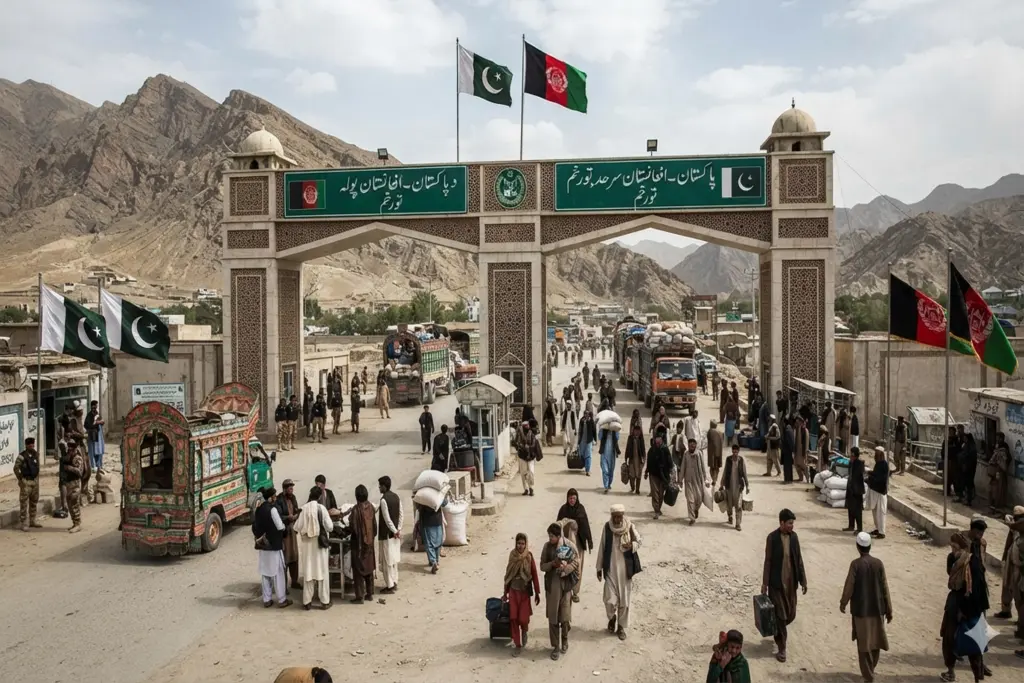
For families living along the Pak-Afghan frontier, particularly in provinces such as Khyber Pakhtunkhwa and Balochistan, these incidents often translate into temporary border closures, disrupted trade routes and heavier security checks. Those who live near crossing points like Torkham and Chaman should keep this in mind when making travel plans in the next few days. A short checklist can be useful:
•Stay informed through official and local media sources.
•Avoid non-essential travel near border crossings until the situation stabilises.
•Have your important travel documents ready in case of sudden restrictions on movement.
•Follow local administration advice during tense periods.
Conclusion
The strikes are the latest in a long history of friction between Pak Afghan Ties Taliban government. While Islamabad talks of peace in the region it has made it clear that ongoing provocations will be met with a strong response. The best advice for those who live close to the border is to be on alert and cautious until the tension fades.