



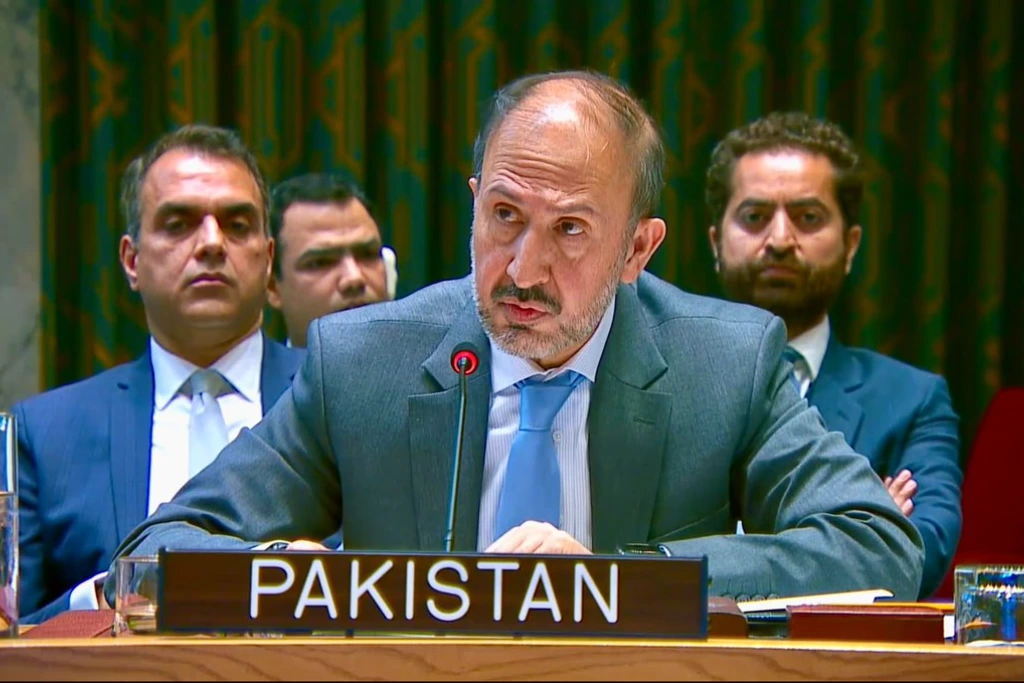
South Sudan needs some constructive dialogue and a complete implementation of the basic peace agreement, Pakistan formally declared to the world community. Ambassador Syed Haider Shah, Pakistan’s Permanent Representative to the United Nations, on Wednesday, 11th November, 2026, briefed the UN Security Council on Pakistan’s official position on the political transition in the African region.
Upholding the Revitalized Agreement for South Sudan Regional Peace
The Pakistani envoy emphatically reiterated that the ongoing Revitalized Agreement is the only viable and internationally recognised way to attain sustainable democratic balance. In his detailed speech before the council, Ambassador Shah sheds light on three key aspects:
Baseline Adherence: Parties should take strict measures to ensure that there are no dangerous security backslides on the ground in terms of the baseline of the accord.
Milestone Redefinition: The next democratic elections on December 22 are a step up on the path to peace and should not be viewed as the end point of the peace process.
Sustained Transition: Permanent stability cannot be achieved through a one-off election day, but by long-term institutional development after elections.
#Pakistan has called for dialogue and the implementation of the peace agreement in #SouthSudan @ForeignOfficePk @MofaSudan @PakistanPR_UN @PakistanUN_NY #RadioPakistan #News https://t.co/7AogEn66mu https://t.co/nvHsdexttl
— Radio Pakistan (@RadioPakistan) November 11, 2026
Global Mediation Roles and the Path Forward in South Sudan
International mediation mechanisms should play an active role in facilitating local territorial settlements in order to protect civilian lives from the repeated geopolitical conflicts and tensions, Islamabad said. Ambassador Shah reiterated the need for constructive engagement of the global community with all stakeholders in South Sudan to ensure a conducive institutional development. If local authorities can engage in long-awaited structural reforms as part of an unfolding peace process they can avoid reoccurring security breakdowns across the territory.