

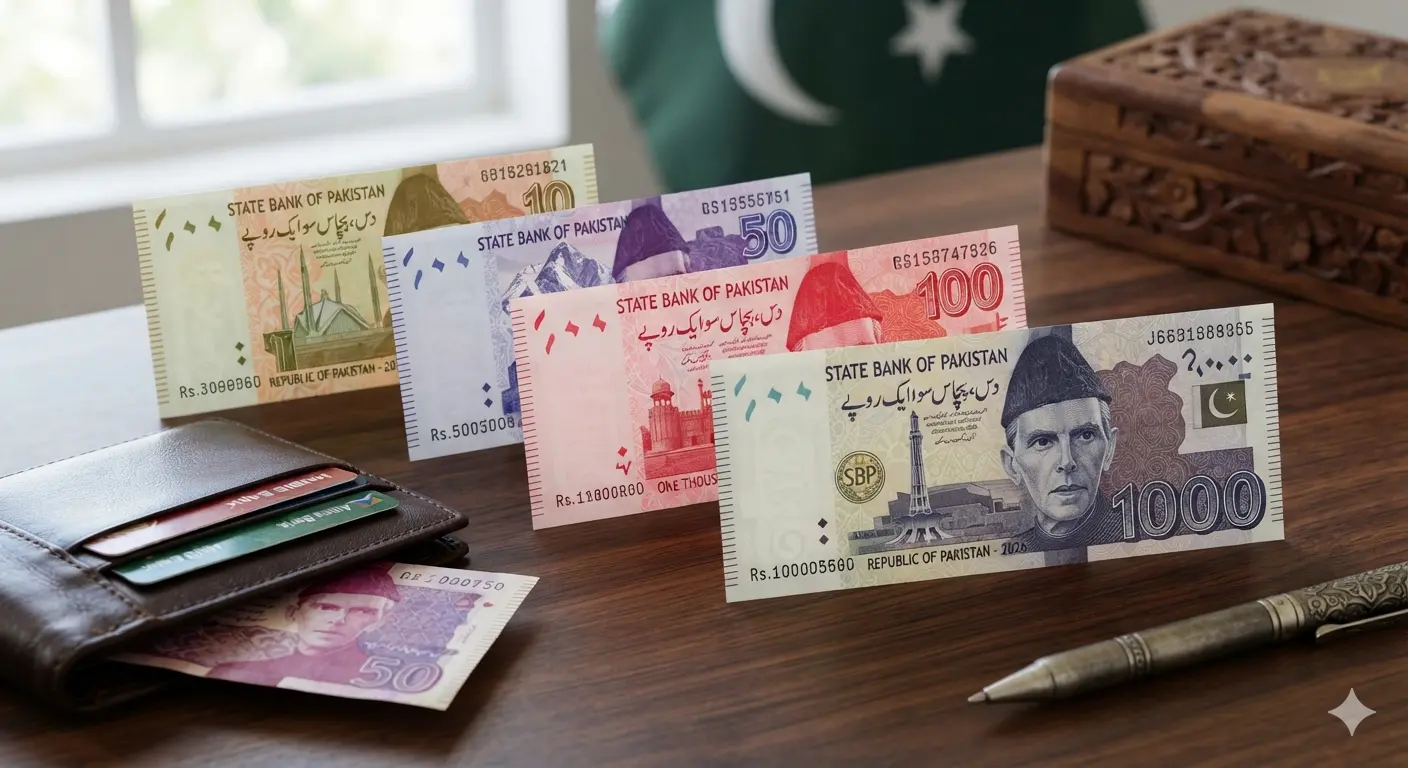
In a strategic macroprudential move to optimize currency management operations and reduce production overheads, the State Bank of Pakistan (SBP) is actively planning to phase out the Rs. 10 paper currency note. SBP Deputy Governor Dr. Inayat Hussain detailed the structural shifts before the Senate Standing Committee on Finance and Revenue, confirming that the central bank intends to permanently replace the low-denomination paper bill with a durable Rs. 10 metallic coin.
The legislative session, chaired by Senator Saleem Mandviwalla in Islamabad, highlighted that the rapid circulation velocity of small paper denominations creates severe physical degradation. By eliminating the Rs. 10 bill from the state’s upcoming currency lifecycle upgrades, the financial regulator aims to streamline liquidity tracking and balance the soaring fiscal printing costs borne by the national exchequer.
Lifespan Economics: Why Paper Bills Are Giving Way to Coins
Central bank data parameters reveal that maintaining low-value paper tender has become an unsustainable fiscal drain. The SBP’s monetary research division outlined several key economic metrics driving the structural transition:
Marginal Paper Durability: Due to high hands-on retail transaction velocity, a standard Rs. 10 paper banknote features an average useful lifespan of just 6 to 9 months before it undergoes severe physical wear and requires systematic disposal.
Amortized Metallic Lifecycle: In contrast, a minted Rs. 10 metallic alloy coin can circulate throughout commercial networks for 20 to 30 years without losing its structural or anti-counterfeit integrity.
Long-Term Budgetary Savings: SBP managers estimate that migrating entirely to metallic coinage for this base tier will secure an estimated Rs. 40 billion to Rs. 50 billion in budgetary savings over the next decade, aligning the state with cost-effective green banking directives.
Redesigning the Rs. 5,000 Bill to Combat Illicit Cash Flows
The upcoming monetary transition extends far beyond small change. SBP executives briefed the Senate panel that the central bank is currently designing the most technologically advanced and secure banknote series in Pakistan’s history. The current banknote design matrix, which has been in circulation since 2005, is technically outdated and increasingly vulnerable to sophisticated international counterfeiting networks.
To protect the banking system from fraudulent bills and suppress the undocumented black economy, the SBP is deploying a dual-layered security overhaul:
Re-engineering High-Denomination Notes: The Rs. 5,000 bill is undergoing a total aesthetic and security redesign, embedded with micro-optic safety threads, color-shifting ink, and tactile features to ensure its authentication metrics remain foolproof for the next two decades.
Polymer Banknote Testing: Operating under federal cabinet directives, the central bank plans to introduce polymer (plastic-based) banknotes on a pilot testing basis. These water-resistant, durable bills will help assess public adaptability before any mass industrial printing operations commence.
Federal Cabinet Approval Timeline and Market Security
The SBP confirmed that the initial design drafts for the updated currency portfolio were presented to a specialized federal cabinet committee overseen by Prime Minister Shehbaz Sharif and Finance Minister Muhammad Aurangzeb. The cabinet recommended specific design enhancements to optimize international security standards, which are currently being integrated by specialized consultants.
Following final executive and legal clearance from the federal cabinet, the minting, distribution, and gradual phasing out of older tender is projected to take approximately one year. The SBP has assured the public that the existing Rs. 10 paper banknote remains in full legal tender and will circulate alongside the coin throughout the transition period, protecting the purchasing power of everyday consumers.