




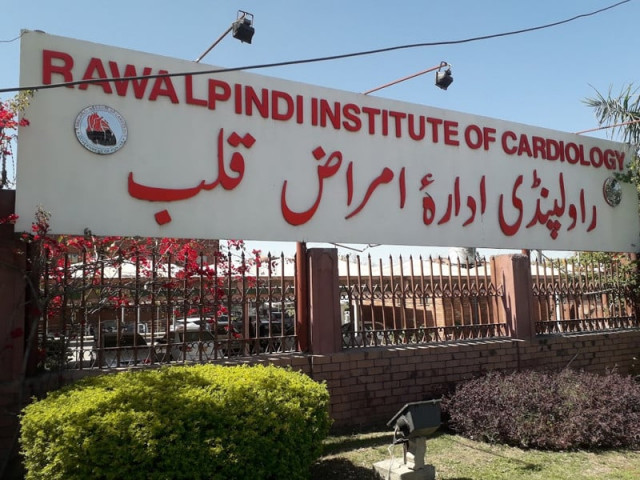
The hospital administration has officially implemented Rawalpindi Institute of Cardiology OPD Appointment protocols, aiming to transform patient management systems and advance clinical operations in the hospital. It is an advanced outpatient appointment system that has been designed to systematically remove the tiresome waiting times, long queues and overcrowding from the various wings of the facility. The healthcare institution’s goal is to significantly improve the quality of critical cardiac care for patients who come from across the country for routine clinical traffic, by digitising and pre-scheduling it.
Mandatory Follow-Up Scheduling and Clinic Structures
With the adoption of the new healthcare framework, a separate operational boundary has been set up for tracking post-procedure. Previously, patients that had a major cardiovascular procedure like bypass surgery or angioplasty had to make their own appointments for all other check-ups. Now, these patients have a legal obligation to make appointments ahead of time for all subsequent examinations.
In order to keep a smooth transition during this first period, the hospital’s logistic plan provides a dual-track reception model:
Scheduled Clinics: These are scheduled clinics for those patients with a pre-booked follow-up appointment following surgery.
Unscheduled Walk-In Clinics: There will also be separate outpatient desks that will fully service walk-in cardiac patients who arrive without appointments, running concurrently with the main system.
Uninterrupted Emergency Infrastructure and Public Accountability
The (RIC) executive board has made a point of informing the public that no visiting citizen will ever be denied entrance without a thorough medical examination. The hospital’s main, high-intensity emergency trauma services will be unaffected and fully operational around-the-clock to deal with acute cardiac crises at the moment, but the routine outpatient services will have to fit into the structured scheduling lines.
Moreover, the administration has set a complaint center in the center to collect patients’ complaints in one place, which helps to solve the problems of the patients in a timely manner and achieve complete transparency. This dedicated monitoring desk is responsible for capturing public feedback, resolving operational time lags and immediately resolving scheduling conflicts to ensure smooth medical service delivery in all healthcare blocks.