

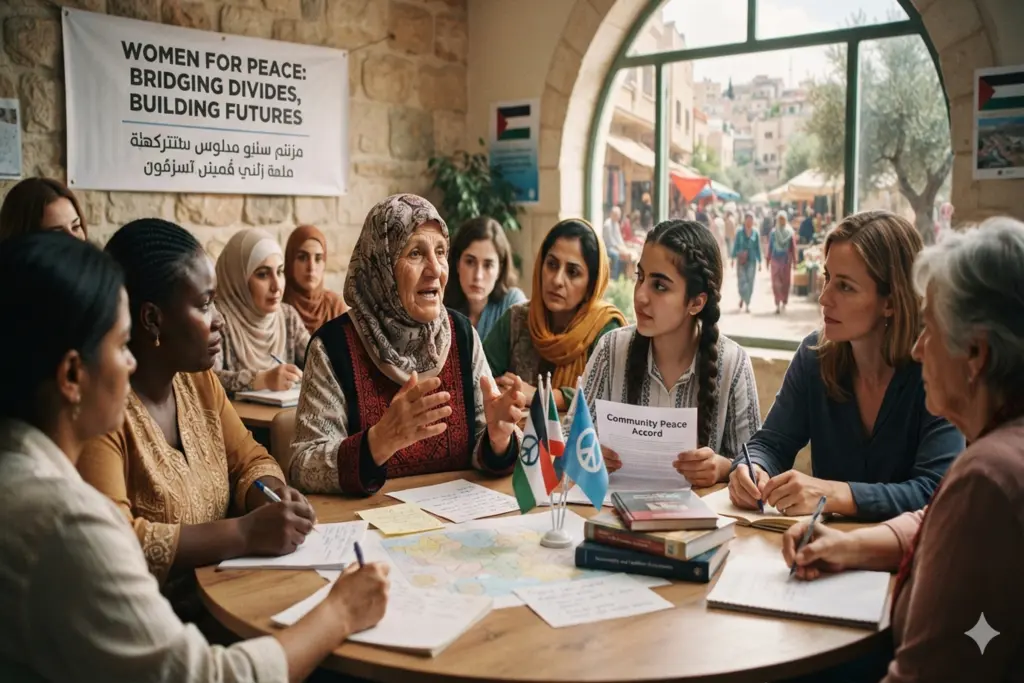
In a powerful endorsement of gender equality and multilateral cooperation, Pakistan has explicitly reaffirmed its national commitment to advancing women’s leadership and meaningful participation across global peace and security frameworks. Addressing the United Nations High-Level Forum on the Programme of Action on a Culture of Peace, Pakistan’s Deputy Permanent Representative to the UN, Ambassador Usman Jadoon, delivered a definitive address urging the international community to recognize that women’s role in peace and security is an indispensable cornerstone for conflict resolution and long-term socio-economic stability.
UN High-Level Forum and Pakistan’s National Narrative
To honor the historic declaration that was made by the General Assembly on September 13, 1999, the session was a worldwide forum to assess the threats facing cultural and diplomatic values in the modern world. In order to achieve cultural integration, structural gender disparities need to be addressed, Ambassador Jadoon said.
He reminded the people in the assembly that women are targeted and affected by armed conflicts and political crises more than men. As a result, any mediation after the war that marginalizes them will not address deep-rooted communal trauma. During his address the Pakistani Ambassador created a timely slogan: “Let us invest in women’s leadership, let us invest in peace, let us invest in our collective future. Pakistan also formally commended Bangladesh for its consistency in introducing the annual follow-up resolution on this humanitarian track.
Sustained Investment and Legal Accessibility as Policy Catalysts
According to Pakistan’s newly articulated diplomatic guidelines, treating women as mere passive victims of conflict rather than active agents of political change hinders global recovery. Data from past international peace treaties confirms that agreements heavily involving female negotiators are significantly more sustainable and less prone to relapse.
To bridge this operational gap, Pakistan urged member states to implement critical structural updates:
Equitable Educational Access: Equal opportunities for girls and young women to participate in quality education and professional training without restrictions.
UN Resolution 1325 Enforcement: Adopting the requirements of UN Security Council Resolution 1325 on Women, Peace, and Security in national security policies.
Judicial Representation: Establishing simpler pathways for women to access local and international justice to report structural violence.
Celebrating Pakistani Women in Blue Helmets and UN Peacekeeping
Ambassador Jadoon showcased the commendable performance of Pakistan’s women professionals in their respective fields across the world, highlighting Pakistan’s tangible achievements. Pakistan is one of the historic countries that have contributed to UN Peacekeeping Missions (Blue Helmets).
From the Democratic Republic of Congo to the Central African Republic, Pakistani women, who are military officers, police advisors, mental health workers and medical personnel, have always been deployed to the most volatile conflicts in the world. By integrating these trained female cohorts into high-risk assignments, Pakistan has proven that women’s role in peace and security is a vital part of its foreign policy, establishing a progressive human rights model aligned with its constitutional and cultural values.