




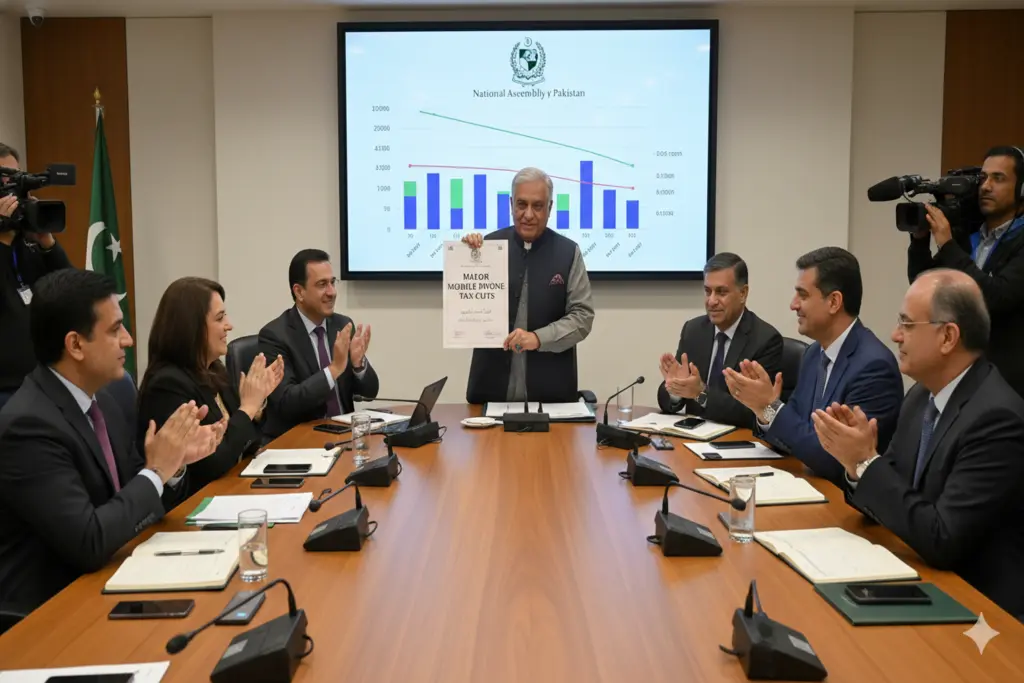
For several years, high import duties and registration fees have turned smartphones into luxury items. However, today’s recommendation marks a potential pivot in the government’s fiscal policy. The committee argued that the current tax structure, overseen by theFederal Board of Revenue (FBR), has created a digital barrier that hinders the “Digital Pakistan” vision. By slashing these taxes, the government aims to increase smartphone penetration, which is directly linked to economic productivity.
Why Students Need Affordable Hardware
In the current academic environment, access to a smartphone is no longer optional. From managing Learning Management Systems (LMS) to utilizing AI-driven research tools, students across all disciplines—including demanding fields like Physical Therapy and Bioengineering—rely on mobile technology.
The NA Panel specifically highlighted that high-achieving, low-income students are the most affected by current prices. The proposal suggests a massive tax relief for mid-range and budget-friendly devices (specifically those in the $100 to $300 price bracket). This would ensure that students can afford “productivity devices” capable of running the latest educational software without being burdened by excessive PTA registration costs.
Economic Relief for the Middle Class
The middle class has been hit hardest by the combination of currency devaluation and heavy taxation. Currently, a mid-range phone can see its price nearly double after adding customs duties and Pakistan Telecommunication Authority (PTA) taxes.
The committee presented several key arguments for the reduction:
- Incentivizing Legal Imports: Extremely high taxes have inadvertently fueled a surge in smuggled and “non-PTA” devices. Lower taxes will encourage consumers to buy via legal channels.
- Boosting Digital Documentation: Increased smartphone usage leads to a higher volume of mobile banking and documented digital transactions.
- Supporting the Freelance Economy: A significant portion of Pakistan’s youth earns foreign exchange through mobile-first freelance platforms; lowering their “cost of doing business” is an investment in the national treasury.
Budget 2026 and Implementation
While the National Assembly panel’s recommendation is a major milestone, the final implementation lies with the Ministry of Finance. The proposal suggests a tiered tax system: while high-end luxury flagships would remain taxed at a premium, devices used for education and work would see a tax reduction of 30% to 40%. If approved, this change could be reflected in the upcoming fiscal budget, leading to an immediate stabilization of prices in local mobile markets.
READ: More informative news