


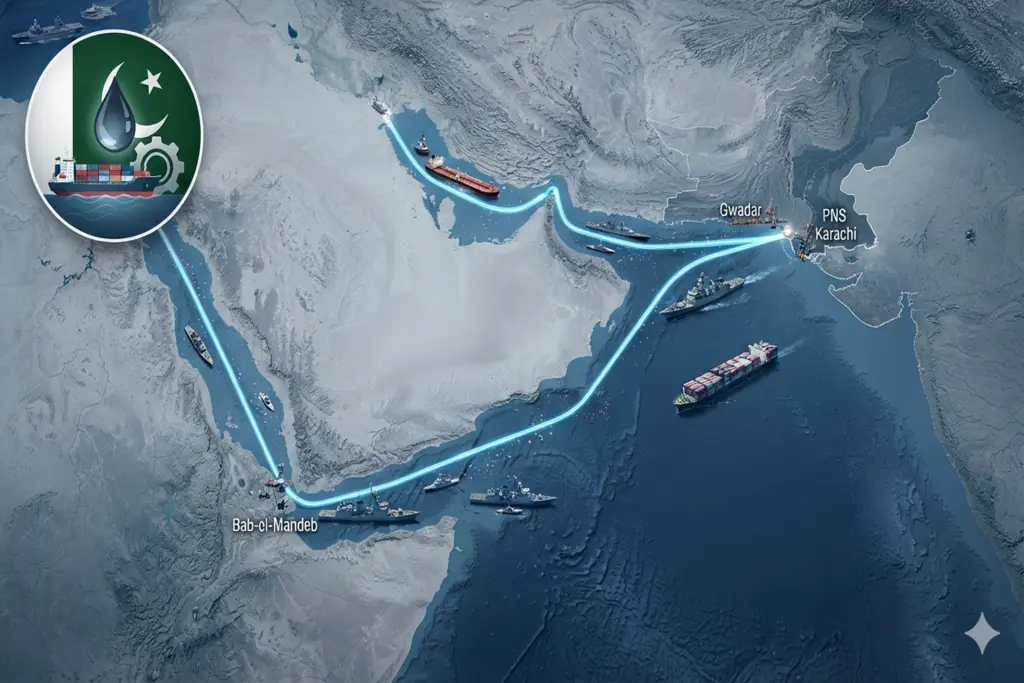
Two narrow stretches of water, thousands of kilometres from Karachi, are quietly deciding what Pakistanis pay for petrol, cooking oil and imported goods. The Strait of Hormuz and the Red Sea route carry most of the oil that Pakistan buys from the Gulf, and when tension rises along these routes, the effects reach Pakistani ports within weeks, not months.
Why the Strait of Hormuz Matters So Much to Pakistan
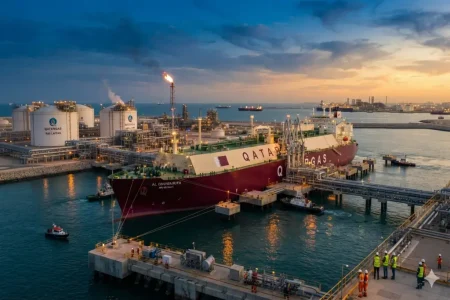
Pakistan imports the bulk of its crude oil and liquefied natural gas from Gulf producers, and almost all of that cargo passes through the Strait of Hormuz before reaching Karachi Port or Port Qasim. When shipping through the strait slows down or stops, tanker owners either wait offshore or take longer, costlier paths around the region. That extra time and risk gets added to freight and insurance charges, and those charges eventually show up in local fuel prices, transport fares and the cost of anything trucked or manufactured using imported energy.
How the Red Sea Route Adds to the Pressure
When Hormuz becomes risky, some Gulf oil is redirected overland to Red Sea ports for export instead. But the Red Sea itself has faced repeated attacks on merchant vessels in recent years, forcing many ships to sail around Africa rather than through the Suez Canal. For Pakistan, this matters twice over: it affects the oil shipped from Saudi Arabia’s Red Sea coast, and it affects Pakistani exports, like textiles and rice, heading toward European buyers. Longer voyages mean higher shipping bills for exporters already competing on tight margins.
What This Means for Ordinary Pakistani Households
- Fuel and cooking gas prices can rise even without any change in domestic tax or subsidy policy.
- Imported items, from cooking oil to electronics, may see delayed shipments and price swings.
- Small exporters, especially in textiles, may face longer payment cycles due to shipping delays.
- Transport and delivery costs across cities can increase as fuel becomes pricier.
Practical Steps Families and Small Businesses Can Take
- Track fuel price notifications from OGRA and plan monthly budgets with some flexibility built in.
- Businesses reliant on imports should keep a buffer stock where storage allows, rather than ordering last minute.
- Exporters can ask freight forwarders about alternative routes and realistic delivery timelines before confirming orders.
- Households can reduce dependence on a single income source, since transport and informal work often slow down during fuel price spikes.
- Follow Pakistan Navy and shipping advisories for updates when regional tensions escalate.
Why Maritime Security Is a National Concern, Not Just a Naval One
The Pakistan Navy has stepped up escort and monitoring operations for merchant shipping tied to Pakistani trade, recognising that a blocked sea lane is as much an economic threat as a military one. With Gwadar Port positioned as a future trade hub, and with the country dependent on sea routes for most of its energy and trade, maritime security is no longer a distant policy topic. It is connected to the price of a motorcycle tank of petrol in Lahore and the wages of a truck driver in Sindh.
Conclusion
Pakistan cannot control what happens in the Strait of Hormuz or the Red Sea, but it can plan for the ripple effects. Watching fuel advisories, building small buffers in household budgets, and staying informed through reliable shipping and navy updates can soften the impact when these distant waterways run into trouble again. The sea may be far from home, but its security decides what lands on Pakistani shelves and what it costs to get there.
Keep an eye on maritime security news, because the next spike in your fuel bill may already be sailing toward it.