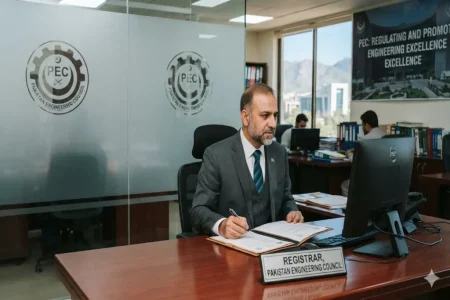



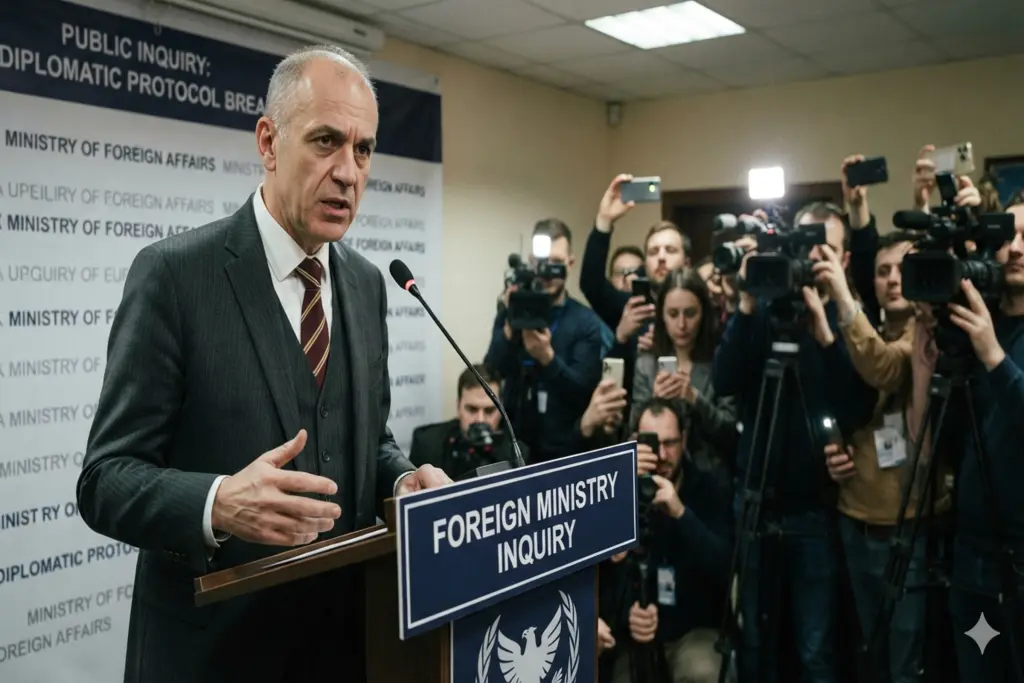
The federal government has taken strict notice of widespread allegations regarding institutional corruption, embezzlement, and financial exploitation within the Ministry of Foreign Affairs’ document verification and apostille systems. Deputy Prime Minister and Foreign Minister Ishaq Dar initiated the action following disturbing media reports. These reports alleged that certain ministry officials had illegally collected a staggering Rs. 12 billion from Pakistani citizens seeking official document authentications. To investigate these grave irregularities and hold the perpetrators accountable, the government has formally established a high-level Foreign Ministry scandal inquiry committee.
Formation of a High-Powered Three-Member Committee
The federal government has constituted a formidable three-member probe team consisting of seasoned and senior civil servants to ensure an unbiased investigation. The committee will be headed by Petroleum Secretary Hamid Yaqoob Sheikh. Serving alongside him as core members are Law Secretary Raja Naeem Akbar and Special Finance Secretary Qamar Sarwar Abbasi. This panel has been granted absolute administrative autonomy to dig deep into the systemic flaws and financial malpractice plaguing the ministry’s authentication desks.
Scope of the Investigation and Role of Couriers
The mandate of this Foreign Ministry scandal inquiry spans across multiple layers of administrative operations. The committee is tasked with reviewing the newly adopted apostille system—a mechanism designed to authenticate signatures internationally—alongside traditional document verification workflows. Investigators will scrutinize exactly where the process was compromised and how the extortion of citizens took place. Crucially, the committee will also investigate the role of private courier services operating as intermediaries. They aim to determine if these private entities were complicit in the extortion scheme and identify which Ministry of Foreign Affairs officials backed the illicit network.
Two-Week Deadline for Comprehensive Systemic Reforms
Given the gravity of the allegations, Deputy Prime Minister Ishaq Dar has imposed a strict deadline, ordering the committee to submit its definitive findings and recommendations within two weeks (14 days). Beyond identifying guilty personnel, the panel is directed to propose structural reforms to clean up the authentication infrastructure, making it secure, transparent, and user-friendly for ordinary citizens.
To prevent any institutional stonewalling, the Additional Secretary (Admin) of the Ministry of Foreign Affairs has been directed to provide full cooperation. The ministry must grant the inquiry team immediate and unhindered access to all relevant records, digital logs, and official materials. The government has reiterated its commitment to ensuring that no official involved in plundering the public will be spared from strict legal action.