


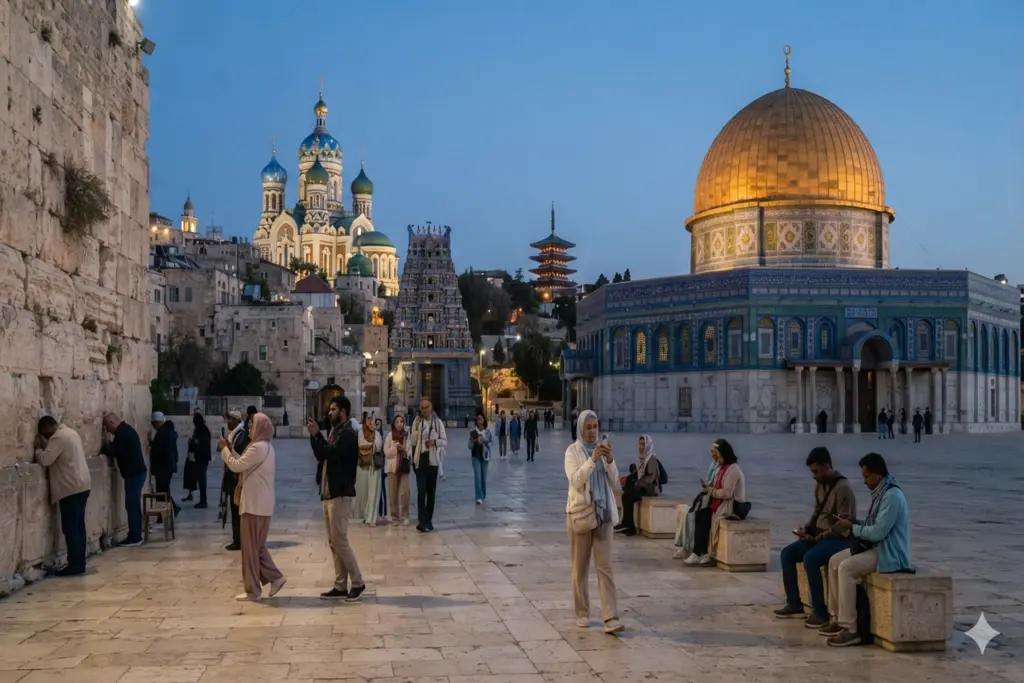
Pakistan’s Defence Minister Khawaja Asif has put the country’s bond with Saudi Arabia back in the headlines. Speaking on the growing tension between Riyadh and Yemen’s Houthi rebels, he said Pakistan carries an eternal agreement to act if the holy sites are ever attacked, treaty or no treaty. For most Pakistanis, this isn’t just another political soundbite. It touches something closer to home: faith, family income, and national identity.
What Khawaja Asif Actually Said
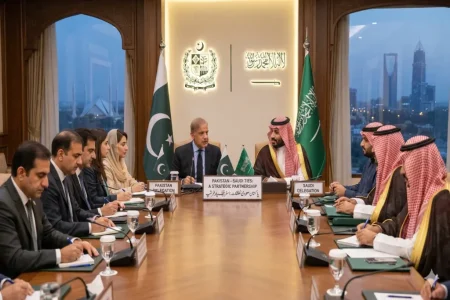
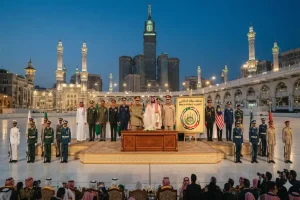
While discussing the standoff between Saudi forces and the Houthis, the minister confirmed that Pakistan, Turkiye and Saudi Arabia already have a working defence understanding, commonly known as the Makkah Defence Alliance. He then made a stronger point. Even without any signed paper, defending Makkah and Medina isn’t optional for Pakistan. He called it a religious obligation that doesn’t need an agreement to be triggered.
Why This Matters for Pakistan
The Pakistan Saudi relationship runs deep, built over decades through shared faith, labour migration, and financial rescue packages. Lakhs of Pakistani workers earn their livelihood in the Gulf, and Riyadh has stepped in more than once with loans and oil credit when Pakistan’s economy was under pressure. So when a senior minister talks about military backing, it isn’t just diplomacy. It can shape remittance flows, bilateral trust, and even fuel prices back home.
How This Trilateral Pact Works
- Pakistan, Saudi Arabia and Turkiye form the three core partners
- It activates if any member’s territorial integrity is threatened
- DG ISPR Lt-Gen Ahmed Sharif Chaudhry insists it has no regional ambitions
- Officials describe it as collective deterrence, not aggression
- Iran’s possible involvement with the Houthis was raised but not confirmed
What Ordinary Pakistanis Should Keep in Mind
- This is a statement of readiness, not a declaration of war
- No new taxes or military call-ups have followed this announcement
- Fuel prices could still climb if the wider Gulf tension worsens, since Pakistan depends heavily on imported oil
- Pakistanis currently working or travelling to Saudi Arabia have received no change in advisory
Conclusion
Khawaja Asif’s remarks blend religious conviction with strategic messaging rather than signalling any immediate military move. For the average Pakistani, the practical advice is straightforward: keep an eye on credible news, don’t panic over travel or petrol prices just yet, and remember that this eternal agreement is rooted in principle first, with action reserved only for a genuine threat to the holy sites.