

Pakistan’s diplomacy is in the spotlight once again on the world stage. UN chief Antonio Guterres has confirmed the world body is in close contact with Islamabad over efforts to end the ongoing US-Iran war, a conflict which has shaken the wider Gulf region since it broke out in February. To ordinary Pakistanis it means a lot more than diplomatic headlines. It impacts fuel prices, trade routes and Pakistan’s global standing.
The Importance of Pakistan’s Role
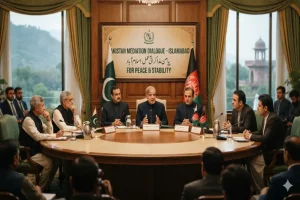
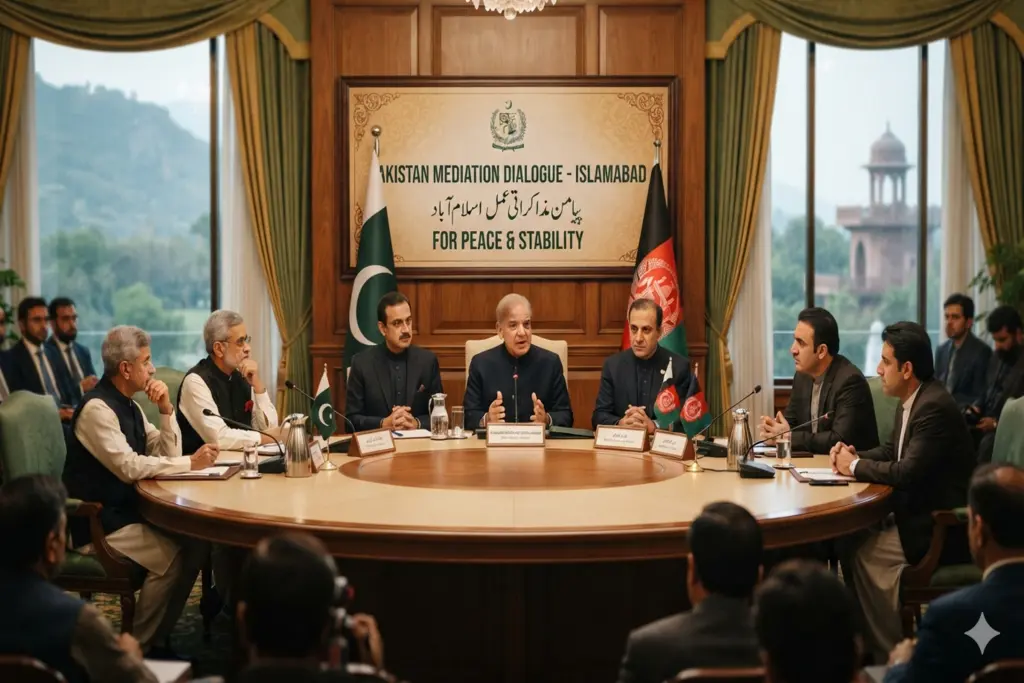
Guterres said the most important mediators in bringing Washington and Tehran back to the table are Pakistani and Turkish mediators. It’s a bold claim from the United Nations’ top official. Earlier this year Pakistan hosted foreign ministers of Türkiye, Egypt and Saudi Arabia, and then arranged direct Islamabad Talks between US and Iranian delegations, for the first time in decades.
MoU signed in Islamabad
That effort produced the Islamabad MoU and a temporary ceasefire, giving both sides a 60-day window for talks. But tensions flared again after renewed hostilities and stalled indirect talks in Qatar and the ceasefire was under strain. Later, Pakistan worked with Doha on a de-escalation formula in an attempt to keep things from going off the rails.
What does this mean for the common Pakistani citizen?
Wars abroad still hit close to home. This is a story to watch for Pakistanis dealing with fuel costs, Gulf remittances and regional trade.
Important points to understand the impact:
•Fuel and energy prices could change with the stability of the Strait of Hormuz.
•Overseas Pakistani workers in Gulf states face uncertainty over jobs, safety amid escalation.
•Success in mediation enhances Pakistan’s diplomatic image which can aid trade and investment talks.
•Regional security remains tied to the development of Iran-Gulf tensions.
Next Visit of Guterres
Guterres said he was planning to visit Pakistan “soon,” at the invitation of the government. The visit is expected to reinforce Pakistan’s mediating position along with Turkey, Egypt, Saudi Arabia and Qatar.
Pakistan’s Diplomatic Position in the World
It gives Pakistan a rare positive international narrative for a country often talked about in terms of its internal politics or economic strain. If Islamabad can keep the two sides talking, it would add to the country’s credibility with Washington and Tehran alike.
Conclusion
Pakistan’s role as mediator between the US and Iran demonstrates that Islamabad can play a serious and constructive role on the world stage even as it wrestles with domestic pressures at home. As Guterres prepares to travel, everyday Pakistanis should watch how this diplomacy plays out, as peace in the Gulf impacts fuel prices, jobs and trade at home.