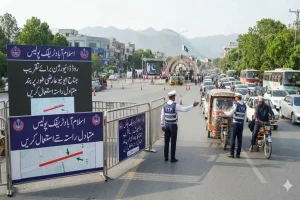


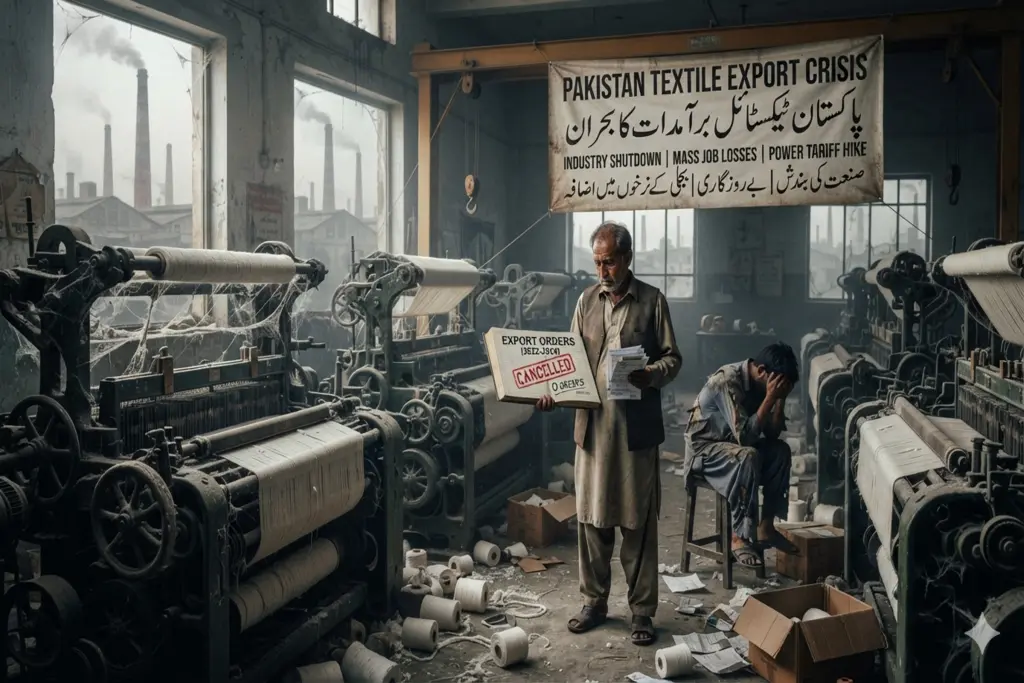
Pakistan’s textile industry, the backbone of the country’s foreign exchange earnings, is set for another shock in August 2026. The transport strike across the country has halted the movement of goods, with the All Pakistan Textile Mills Association (APTMA) saying exporters are incurring mounting losses with each passing day. This disruption couldn’t have come at a worse time for an industry that already works on thin margins.
The transport strike is hurting the textile export sector
Textiles are more than just another export commodity for Pakistan. APTMA says they contribute over 60 percent of the total export earnings of the country. When the trucks stop moving, the whole chain from cotton farms to spinning mills to garment factories to ports feels the pinch. Mills are having trouble getting raw material and fuel and finished products for international buyers are stuck and not reaching ports in time.
For exporters, a missed shipping deadline can be no small matter. Global buyers run on tight timescales, and constant delays can push them to suppliers in Bangladesh, Vietnam or India. This is exactly what is at stake—Pakistan’s reputation as a reliable supplier.
The Bigger Squeeze on Textile Sector
The strike came at a time when the industry was already under strain. Pakistani mills were already being tested for resilience by high energy tariffs, tight liquidity and stiff global competition. Another is a long delay in road transport that many small and medium exporters simply cannot absorb.
APTMA Chairman Kamran Arshad has requested the federal government to intervene and resolve the issue through dialogue rather than allowing it to continue. He also asked the Ministry of Maritime Affairs, the port authorities and the shipping lines to assist in clearing the pending export cargo during the strike.
The Implications for Employers and Employees
•Orders may be cancelled and business lost with overseas buyers due to delayed shipments.
•Mills short of raw materials may have to cut their production hours.
•The most vulnerable are the daily-wage workers in transport, spinning and stitching units.
•The toughest survival test is for the small exporter with only limited cash reserves.
Now, What Can Be Done
•The government and transporters need to talk urgently to end the deadlock.
•Ports and shipping lines should focus on clearing export cargo backlog.
•Exporters need to inform buyers early to avoid contract cancellations.
•Industry bodies should watch losses so that any relief is properly targeted.
Conclusion
The transport strike is a reminder of how fragile Pakistan’s export supply chain truly is. A single disruption in road freight can have a ripple effect through mills, ports and household incomes within days. Until the dispute is resolved, textile exporters, workers and the broader economy continue to be exposed and every day of delay adds to the cost.