


Every time petrol prices go up, Pakistani families feel it first at the pump and then in their grocery bags a few days later. This week, Federal Minister for Climate Change Dr Musadik Malik gave a fairly honest breakdown of why the government’s petrol relief package is capped where it is, and why it simply cannot stretch further no matter how loud the public frustration gets.
What Musadik Malik Actually Said
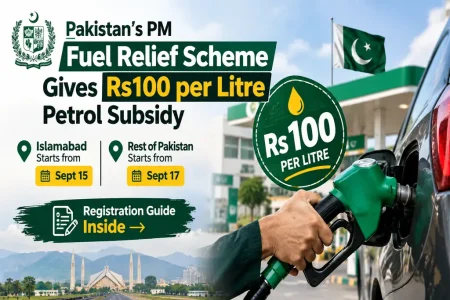
Talking to reporters in Islamabad, Malik shared that the government is currently taking Rs80 per litre as petroleum levy and another Rs5 per litre as carbon tax on petrol. Against that, the government is handing back Rs100 per litre in relief, which is actually more than the levy it collects. His point was blunt: the Pakistan economy cannot absorb a bigger cushion right now without throwing other priorities off balance.
Why Global Oil Prices Are the Real Culprit
Malik blamed the ongoing US-Iran war as the biggest reason behind climbing international oil prices. Since Pakistan brings in most of its crude and refined fuel from abroad, any jump overseas shows up almost immediately at the local pump. He mentioned that Prime Minister Shehbaz Sharif’s government has been trying to ease this burden for daily-wage earners and low-income families through the fuel relief scheme, though he was upfront that this support has limits tied to what the country can actually afford.
What This Actually Means for the Common Man
For a household in Karachi, Lahore, or a small town in Punjab, this relief means slightly cheaper transport, a bit less pressure on delivery charges, and marginally lower daily expenses. It will not, however, take away the sting of paying Rs384 for a single litre of petrol.
Quick Checklist for Households
- Keep an eye on weekly fuel price updates through OGRA notifications or local news apps
- Compare public transport and ride-hailing fares before committing to daily commutes
- Treat fuel as a variable cost in your monthly budget, not a fixed one
- Stay alert for any fresh government relief announcements linked to global oil movements
A Word on the Bigger Picture
Malik also said he hopes that if the US-Iran conflict eventually cools down, oil prices worldwide could ease too, which would help Pakistan and other fuel-importing countries. He described Pakistan’s current role as one of pushing for regional peace, and tied that effort directly to hopes of future economic relief for ordinary people.
Conclusion
The Rs. 100 petrol relief is a small cushion, not a fix, and knowing the real numbers behind it can help Pakistani families plan their budgets more sensibly instead of just reacting every time petrol prices make headlines.