


In a major administrative and financial intervention ahead of next year’s high-profile international engagements, the Government of Pakistan has authorized a Technical Supplementary Grant of Rs. 6.6 billion ($23.8 million). The specialized funding is explicitly designated to purchase 30 state-of-the-art bullet-proof and armored vehicles to ensure absolute safety parameters for visiting global leaders.
The federal cabinet’s Economic Coordination Committee (ECC) has approved the calculated resource allocation, official briefings said. The move reflects the strategic importance of readiness for security in this context as Islamabad is set to host the highly critical Shanghai Cooperation Organisation (SCO) Council of Heads of State summit on 22nd September 2027.
Strategic Budget Optimization and Treasury Oversight
The high-level session of the ECC was convened at the Finance Division in Islamabad under the leadership of the Federal Minister for Finance and Revenue, Senator Muhammad Aurangzeb. Senior ministers and technical advisors evaluated the logistics procurement request to balance strict security requirements with macro-prudential fiscal discipline.
Financial data reveals a highly calculated cost-cutting intervention by the treasury team:
Initial Cabinet Proposal: The Cabinet Division originally submitted an extensive expenditure request totaling Rs. 12.6 billion to secure the necessary VIP transport pool.
The Approved Ceiling: To prevent excessive fiscal drift under ongoing structural adjustments, the finance team implemented a 48 percent budget cut, officially capping the supplementary grant at Rs. 6.6 billion.
The Direct Mandet: The ECC officially locked the procurement quantity at exactly 30 customized armored vehicles. The body directed the Cabinet Division to complete a highly granular needs assessment framework before applying for any future operational buffers.
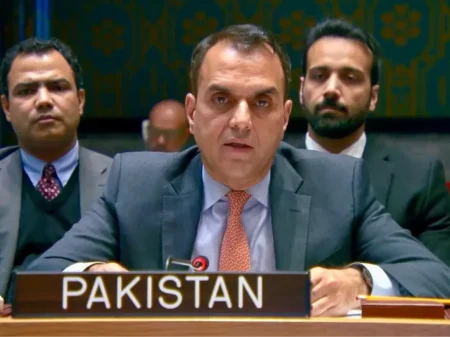
#Pakistan's top economic decision-making body approved a grant of Rs 6.6 billion – USD $23.8 million, to purchase 30 bullet-proof vehicles for the Heads of State who will be in #Islamabad for the Shanghai Cooperation of Organization summit in 2027.
— Shafek Koreshe (@shafeKoreshe) September 7, 2026
The Economic Coordination… pic.twitter.com/OUtK4s94v4
Upgrading Protective Infrastructure for Global Heads of State
In October 2024, under tight security arrangements, Pakistan hosted the 23rd meeting of the Council of Heads of Government of the SCO successfully. But the upcoming September 2027 event is going to be a Heads of State convention, attended by the sovereign presidents and prime ministers of the 10 member states – among them China, Russia, India, Iran and many central Asian countries – so the security playbook gets revamped entirely.
The 30 newly commissioned tactical vehicles deploy premium security properties:
Advanced Ballistic & Blast Armor: Armored shells designed to resist high velocity automated rifle rounds, landmines and proximity shrapnel debris.
Network-Integrated Telemetry Controls: All vehicles will be connected to an encrypted cloud control room with real-time GPS tracking and dynamic diagnostic software which will map localized route parameters in real-time.
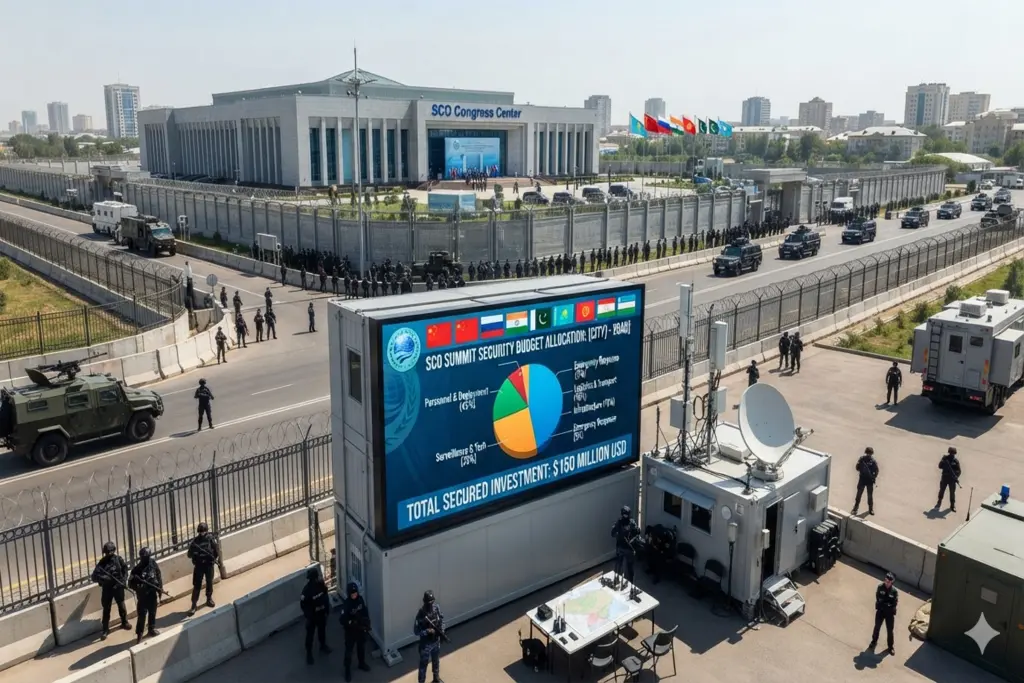
Insulating the Federal Capital Zone: Amid ongoing regional friction across border corridors in Balochistan and Khyber Pakhtunkhwa, the federal capital is transforming Constitution Avenue and surrounding zones into a fully digital security enclave.
Expanding Islamabad’s Digital and Public Transport Ecosystem
On their behalf, Prime Minister Muhammad Shehbaz Sharif has officially stated Pakistan will provide a world-class facility for hosting international delegates. The federal government has called in the Capital Development Authority (CDA) to begin to upgrade infrastructure and the environment along key city roads, structural flyovers and arterial highway corridors immediately.
The state’s master plan also calls for the establishment of an electric vehicle (EV) transport system and the provision of a modern rail-car service to link the twin cities with parking facilities, to meet these global standards. This automated transit shift actively targets a significant reduction in regional carbon footprints while showcasing Pakistan’s rapidly expanding smart city capabilities to the visiting global leadership.