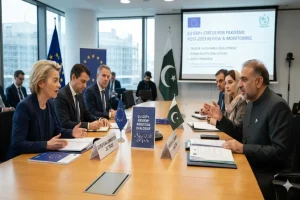

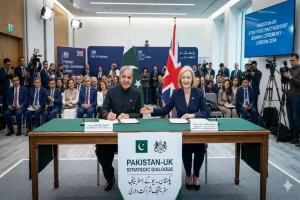


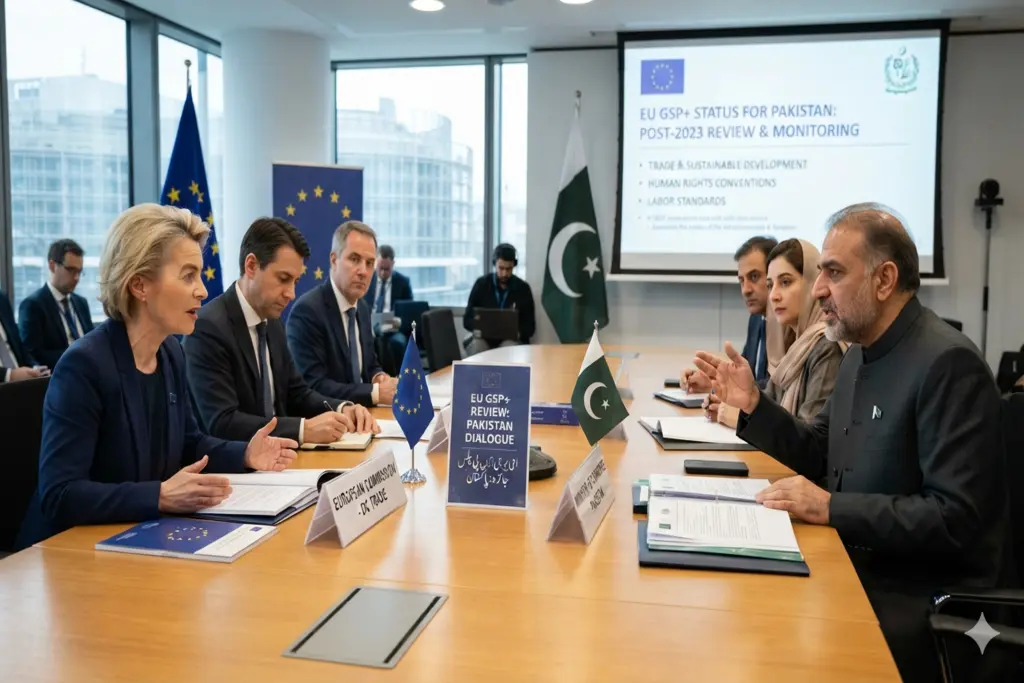
In a major geostrategic advancement for Pakistan’s trade architecture, international market integration, and macroeconomic stability, Pakistan has successfully completed the 5th EU GSP+ performance review. The comprehensive monitoring cycle, validated by a visiting high-level European Union delegation, transitions traditional industrial audits into a highly structured vetting sandbox. The successful closure of this review guarantees the continuation of duty-free and preferential tariff access for Pakistani exports into core European commercial markets, effectively shielding the country’s textile, leather, and surgical manufacturing indices from competitive trade barriers while strengthening sovereign foreign exchange reserves.
As global supply chains navigate severe geopolitical reconfigurations, maintaining this premium status remains an absolute priority for Pakistan’s economic managers. The Generalized Scheme of Preferences Plus (GSP+) provides a vital liquidity buffer, reducing transaction friction for domestic manufacturing plants and allowing local corporations to compete on equal footing with regional trade rivals. By bypassing costly import duties, the state actively stabilizes its manufacturing workforce and boosts its software image on the global economic stage.
Technical Audit of the 27 Core International Conventions
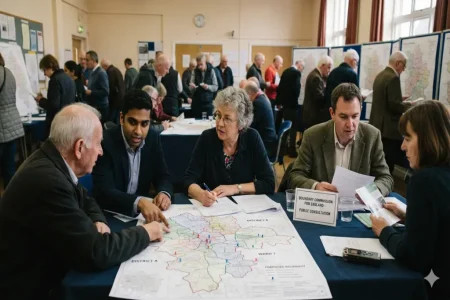
For the maintenance of the GSP+ baseline, Pakistan would have to show absolute compliance on 27 international conventions that cover human rights, labour rights, environmental protection, anti-corruption measures, and so on. The European delegation also performed in-depth field verifications, multi-sectoral stakeholder interviews, and real-time checks of database database data for compliance with international standards.
The micro-prudential review focused heavily on three critical development layers to ensure structural accountability:
Automated Labor Vetting Systems: Implementing secure digital logs and biometric tracking networks within high-volume production hubs to strictly eliminate child labor, enforce standardized wage brackets, and guarantee workplace safety parameters for female personnel.
Environmental Regulation Infrastructure: Conducting deep-dive testing on industrial wastewater treatment networks and deploying advanced telemetry to track carbon reduction indices, ensuring local manufacturing plants fully align with global green mandates.
Governance Software Upgrades: Integrating transparent financial tracking loops between the Federal Board of Revenue (FBR) and the National Database and Registration Authority (NADRA) to ensure a fully transparent, paperless procurement and billing matrix across public and private corporate enterprises.
Strategic Stabilization of the Textile and Leather Export Corridors
The economic implications of this successful review are far-reaching, directly impacting Pakistan’s high-yield export industrial setups in major production hubs such as Faisalabad, Karachi, and Lahore. Historically, over 80 percent of Pakistan’s total shipments to the European Union rely on the GSP+ tariff architecture, making the framework a central pillar of the nation’s annual export revenue targets.
By neutralizing the risk of sudden tariff hikes, the federal cabinet has provided long-term predictability to local factory managers and international trade operators. This stable ecosystem allows local enterprises to sign long-term supply agreements with prominent European fashion houses and consumer brands. Furthermore, the Ministry of Commerce has issued an official advisory directing export managers to maintain continuous internal quality audits, preserving a premium brand reputation and ensuring the frictionless transit of consumer goods through automated European custom checkpoints.
Compliance Frameworks and Future Trade Support Networks
To ensure continuous adherence to the EU’s evolving trade guidelines, the federal administration has deployed dedicated compliance tracking portals across multiple industrial ministries. Business entities can securely upload their labor safety logs, green energy integration records, and carbon credit data logs to verify system readiness prior to future inspection cycles.
The trade development authority has set up a special technical support center to address on-the-spot regulatory questions and address anomalies in document processing. The Sandbox is an innovative, multi-stakeholder initiative that unites the worlds of government and business, enabling trade reporting to become a transparent, data-driven tool. Pakistan thus creates a robust model for long-term and high-value economic development for all international trade networks, through institutional digitization and adherence to its international obligations.