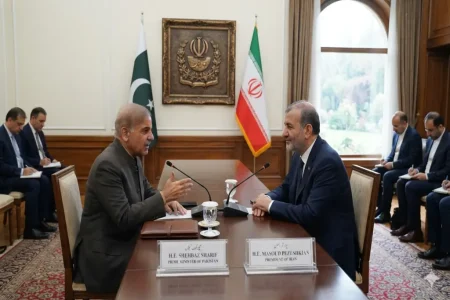



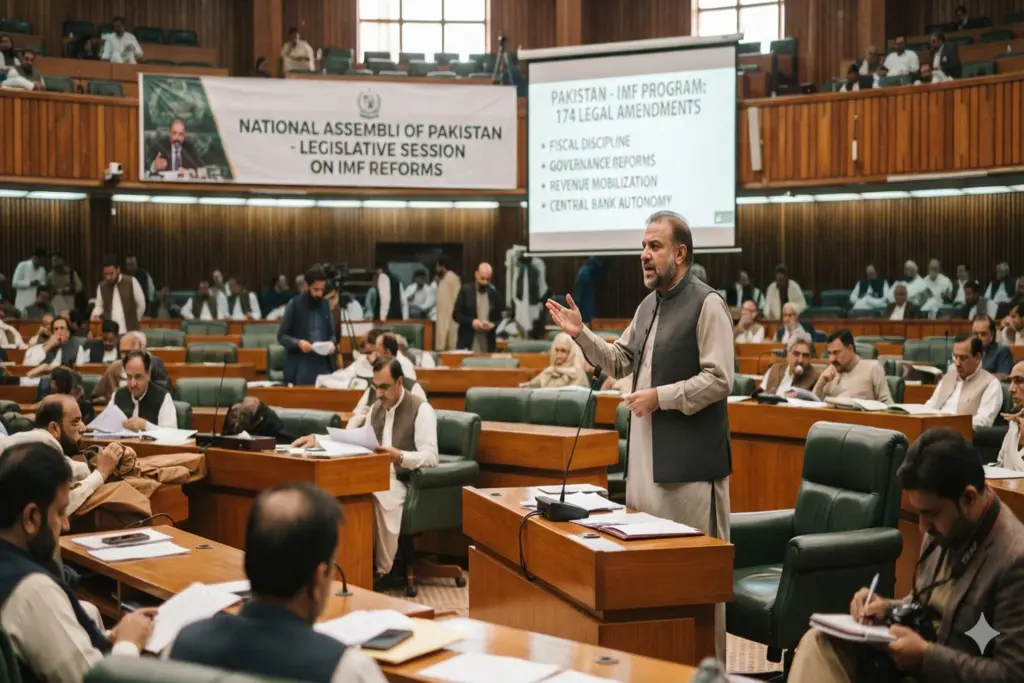
In a major geostrategic advancement for national fiscal governance, state-owned enterprise integration, and global monetary compliance, the International Monetary Fund (IMF) has presented Pakistan with an intensely challenging task demanding 174 distinct legal amendments. The comprehensive structural realignment, presented directly to the National Assembly Standing Committee on Finance by Finance Secretary Imdadullah Bosal, transitions legacy manual subsidy tracking into an automated, system-vetted economic sandbox. While the federal cabinet has successfully cleared three consecutive review cycles to secure $4.1 billion in cumulative disbursements, the institutional stabilization roadmap now mandates an absolute, paperless enforcement of sweeping legal modifications to eliminate sector-wide tax exemptions, block emergency supplementary grants, and systematically dismantle lingering energy infrastructure vulnerabilities.
As global credit markets enforce tighter administrative thresholds on developing economies, maintaining absolute synchronization with international lending covenants remains a top directive for Pakistan’s economic planners. Finance Secretary Bosal confirmed that while several critical benchmarks have been integrated—including a strict ban on supplementary spending—progress remains constricted across energy sector circular debt pools and educational funding targets. By restructuring the regulatory parameters governing public capital, the state aims to drive down sovereign credit risks, stabilize market predictability, and project a highly sophisticated, transparent image on the global economic landscape.
Performance of Bureaucratic Asset Audits and Legislative Transparency Disputes
According to the operational manifesto presented before the parliamentary committee, the updated compliance framework establishes an automated reporting line between the Federal Board of Revenue (FBR) and the Establishment Division. The engineered data telemetry loops are designed to seamlessly transfer the asset details of public officials to launch swift disciplinary proceedings the exact millisecond disproportionate wealth signatures are identified.
However, the selective publication of these asset logs has triggered intense legislative friction inside the committee chamber:
The Legislative Transparency Challenge: Former Foreign Minister Hina Rabbani Khar and senior lawmaker Naveed Qamar raised sharp concerns over the partial public disclosure of officials’ assets, questioning why parliamentarians face full public asset scrutiny while executive bureaucrats retain automated data privacy blocks.
Demanding Security Accountability: Lawmakers rejected legacy manual administrative excuses and directed treasury managers to produce an explicit, data-verified manual explaining the specific security concerns cited to justify limiting public index visibility for civil servant registries.
Restructuring the Sovereign Wealth Fund Act and Phasing Out Market Subsidies
The commercial and legislative meanings of this holistic mandate of the IMF are ingrained in the roots of the structural configuration of Pakistan’s state capital. The federal government has gone on to successfully amend the Sovereign Wealth Fund Act to expunge old administrative coordination delays and enable joint international investments and to make its central operations dashboard match the requirements of the State Owned Enterprises Act.
At the same time, the Ministry of Finance is carrying out a gradual and step-by-step process of phasing out structural subsidies in various industrial and domestic utility areas in compliance with the rigid international pricing principles. The government planned to move energy tariffs and trade exemptions out of the manual cross-subsidization system and into market-driven, automated tariffs, as a way of safeguarding the national budget from the unsustainable fiscal deficit. These milestones are the most critical need to work towards reducing the country’s credit default risk and safely accessing the next tranches of financing from the international community via partner countries.