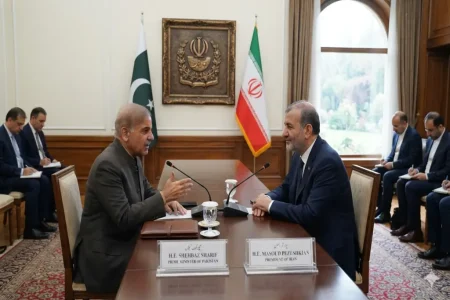




In a major move to bring transparency to Pakistan’s trade and economic systems, Prime Minister Shehbaz Sharif has ordered an independent, nationwide third-party audit of all custom bonded warehouses covering the last three years. The definitive directive aims to eliminate tax evasion, smuggling, and structural non-compliance across the country’s import-export infrastructure.
The decision was finalized during a high-level review meeting focused on the performance of the Federal Board of Revenue (FBR). The session was attended by federal ministers, the Governor of the State Bank of Pakistan, and top-tier FBR officials.
The Economic Importance of Bonded Warehousing
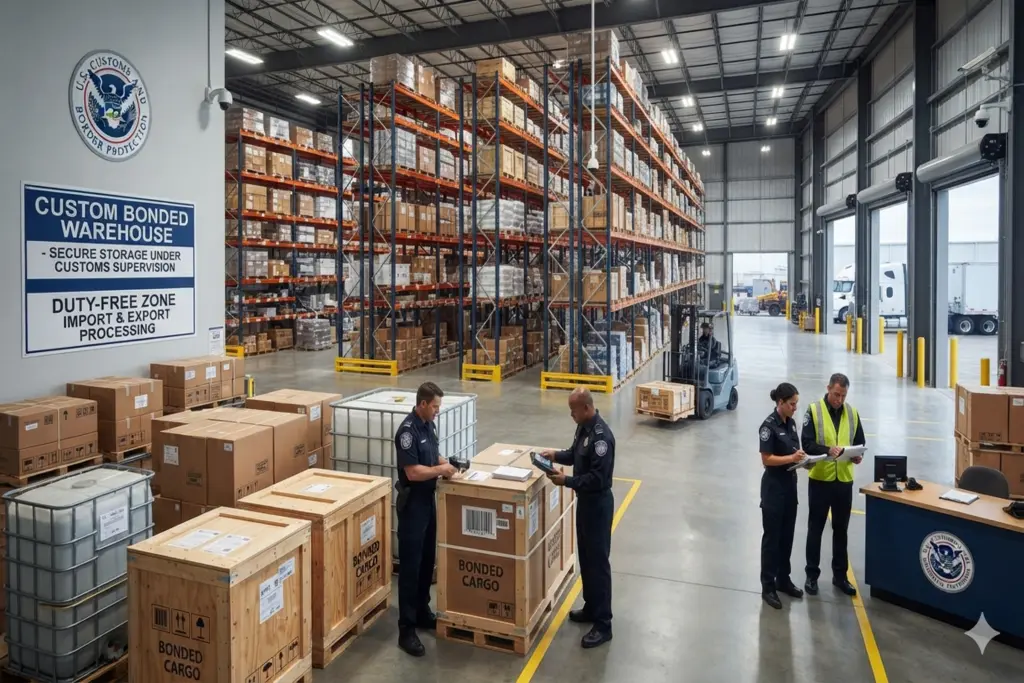
Custom bonded warehouses are highly secured facilities where imported goods can be stored temporarily without the immediate payment of customs duties or taxes. This system provides critical liquidity support to businesses, allowing them to defer financial liabilities until the goods are actually sold or released into the local market.
Bonded trade constitutes approximately 16.5% of Pakistan’s total imports, making it a vital pillar for revenue generation and industrial supply chains. However, recent security and compliance breaches exposed massive loopholes in the system. A private company was found manipulating in-bond and out-bond declarations for illicit financial gains. While that specific case was swiftly resolved, it triggered an urgent need for an overhaul of the entire network to protect the national exchequer.
Key Directives Issued by the Prime Minister
Prime Minister Shehbaz Sharif made it clear that elements causing losses to public revenue will face severe consequences. He outlined immediate actions to restructure warehouse monitoring:
Physical Stock Verification: Joint teams will conduct on-site physical audits of all inventories held inside these warehouses to match actual stock against digital customs declarations.
Strict Legal Enforcement: Criminal and administrative proceedings will be launched against negligent customs officials and warehouse operators found complicit in duty evasion.
Overhaul of Licensing and Security: The criteria for issuing and renewing warehouse licenses will be tightened, alongside stricter valuation testing of stored commodities.
Integration of Advanced IT Infrastructure: Warehousing operations must integrate seamlessly with modern IT tools. The cargo tracking for petroleum products has already been linked to the Web-Based One Customs (WeBOC) automated system to curb fuel smuggling.
FBR Reforms and the Faceless Tax System Deadline
Beyond the warehouse audit, the federal government is fast-tracking a digital transformation across all tax-collecting bodies. The Prime Minister has set a strict deadline of October 1 for the implementation of the first phase of the “Faceless Tax System” in Customs. This digital initiative removes human interaction between traders and customs officials, effectively cutting down bribery, delays, and middleman exploitation.
To ensure strict enforcement of these policies, the FBR Chairman and senior tax officers have been directed to spend at least two days every month in Karachi and Lahore—the country’s primary commercial hubs. Furthermore, only officers with untainted reputations are to be posted to sensitive operational slots. These steps are expected to restore the business community’s trust and stabilize Pakistan’s macroeconomic landscape.