


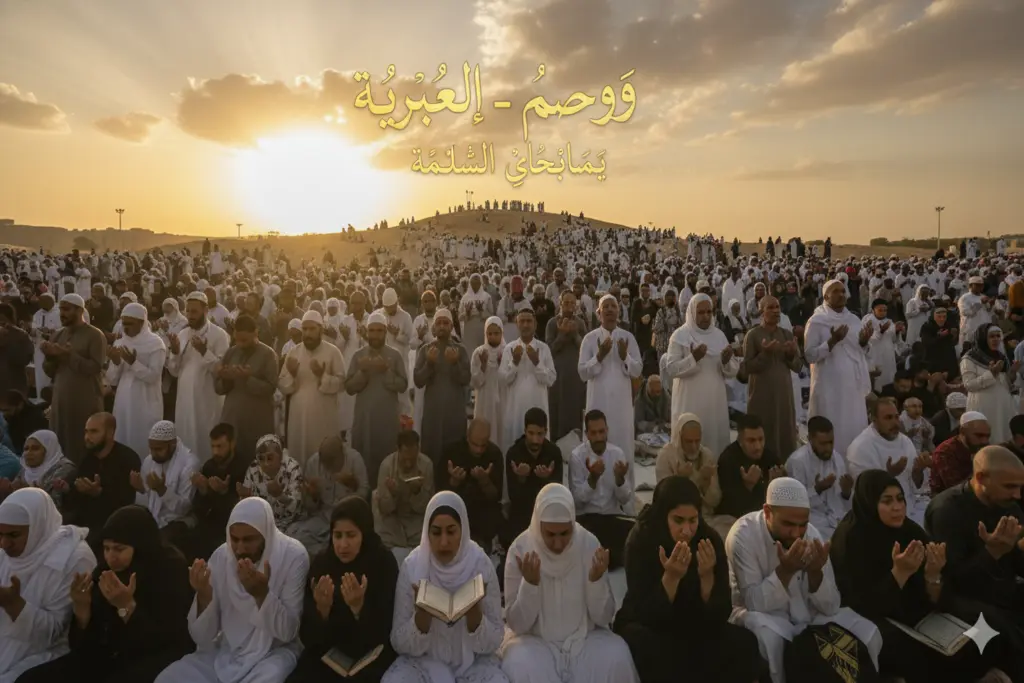
The Day of Arafah has been considered the day of Allah and His congregations is the most sacred, blessed and spiritually significant day of the Islamic calendar. It is the most holy place of the Hajj where millions of sincere Muslims converge to cry, pray, and implore Almighty Allah for forgiveness from Him. But for those billions of Muslims who are unable to travel, this is an unparalleled treasury of divine blessings for them, who are joyously observing the day from their homes. It is stated in large numbers of authentic prophetic narrations that no day is there when Allah saves so many souls from the Hellfire as the day of Arafah.
If you are a non-pilgrim, you have absolutely no reason to not feel left behind! It is very easy to get in tune with the same ocean of forgiveness raining on the pilgrims by observing the voluntary fast, doing continual dhikr, or executing the duas of Day of Arafah. Here are 5 powerful supplications that are proven to be very effective to be repeated repeatedly from early morning until evening.
1. The Ultimate Prophetic Supplication for the Day of Arafah
The Prophet Muhammad (peace be upon him) has confirmed that the best of supplications is the supplication made on the Day of Arafah. This is the declaration of absolute monotheism he and all the previous prophets could have a whole lot of on this monumental day, he commented:
لَا إِلَهَ إِلَّا اللَّهُ وَحْدَهُ لَا شَرِيكَ لَهُ، لَهُ الْمُلْكُ وَلَهُ الْحَمْدُ، وَهُوَ عَلَى كُلِّ شَيْءٍ قَدِيرٌ
Translations: “The Lord is the only One who is God, He has no partners, All is in His hands, and praise be to Him; He can do everything. “
Obedience in this phrase is absolutely cleansing for a believer’s faith, and it is a reaffirmation of his pledges of Monotheism (Tawheed). This is strongly recommended for all to repeat, even those who do not make the pilgrimage, at least 100 times (or even during the entire day) particularly during the afternoon, before Sunset (Maghrib).
2. Sayyid al-Istighfar (The Ultimate Master Prayer for Forgiveness)
The Day of Arafah is a day where it is intended that one would get many years of spiritual mistakes and sins erased, so repentance through crying is of paramount importance. The King of Forgiveness prayers ensure a clean slate:
اللَّهُمَّ أَنْتَ رَبِّي لاَ إِلَهَ إِلاَّ أَنْتَ، خَلَقْتَنِي وَأَنَا عَبْدُكَ، وَأَنَا عَلَى عَهْدِكَ وَوَعْدِكَ مَا اسْتَطَعْتُ، أَعُوذُ بِكَ مِنْ شَرِّ مَا صَنَعْتُ، أَبُوءُ لَكَ بِنِعْمَتِكَ عَلَيَّ، وَأَبُوءُ لَذَنْبِي فَاغْفِر| لِي فَإِنَّهُ لاَ يَغْفِرُ الذُّنُوبَ إِلاَّ أَنْتَ
Translation: “O Allah, You are my Lord and there is no God other than You; You created me and I am Your servant and I have done what You commanded and remained faithful to You and I do not associate any companion in Your worship; I fear the evil that I have done and I seek forgiveness from You and I repent to You, for indeed there is no companion that can repent except You.
3. The Comprehensive Quranic Supplication for Safety from Hellfire
This is one of the most succinct verses in the Qur’aan which holds all of our needs in both worlds within its meanings:
رَبَّنَا آتِنَا فِي الدُّنْيَا حَسَنَةً وَفِي الْآخِرَةِ حَسَنَةً وَقِنَا عَذَابَ النَّارِ
Translation: Our Lord, bestow herewith good and endure for us, and save us from the punishment of the Fire.
Emotional Context: Remember and read “Waqina’ adhaban-nar” (and shield us from the torment of the Fire), with heartfelt and sincere emotion; Arafah is a day on which one is liberated from eternal condemnation.
4. The Companion’s Supplication for Halal Provision and Freedom
During his stay on Arafah, the noble companion Abdullah ibn Umar (may Allah be pleased with him) used to repeatedly repeat this dual purpose Du’a’ for both physical well-being and spiritual safety:
اللَّهُمَّ أَعْتِقْ رَقَبَتِي مِنَ النَّارِ، وَأَوْسِعْ لِي مِنَ الرِّزْقِ الْحَلَالِ، وَاصْرِفْ عَنِّي فَسَقَةَ الْجِنِّ وَالْإِنسِ
Translation: O, Allah, free my neck from Hellfire and increase my earning (Halal) for me; and keep me away from evil among Jinn and humans.
5. The Ancestral Cry for Mercy and Restorative Grace
This timeless verse was uttered by our primordial parents, Adam and Hawwa (Eve), immediately upon their descent to Earth. It serves as an ultimate emotional plea of humility when making amends with the Creator:
رَبَّنَا ظَلَمْنَا أَنفُسَنَا وَإِن لَّمْ تَغْفِرْ لَنَا وَتَرْحَمْنَا لَنَكُونَنَّ مِنَ الْخَاسِرِينَ
Translation: “Our Lord, we have wronged ourselves, and if You do not forgive us and have mercy upon us, we will surely be among the losers.”
Crucial Sunnah Actions for Non-Pilgrims on this Day
In order to achieve the fullest effect in the spiritual alignment with the pilgrims in Makkah, make use of these physical Sunnah measures, along with the verbal duas made during the day of Arafah:
Fasting on the day of Arafah: This day is the day that fasting is prescribed in the preceding year and the coming year is atoned for.
The Takbeerat-e-Tashreeq: Beginning from the dawn (Fajr) prayer of the 9th of Dhul Hijjah up until the afternoon (Asr) prayer of the 13th of Dhul Hijjah, it is strictly mandatory (Wajib) for every Muslim to recite aloud after every single obligatory congregational or individual prayer: “Allahu Akbar, Allahu Akbar, La ilaha illallahu Wallahu Akbar, Allahu Akbar, Wa lillahil hamd.”