


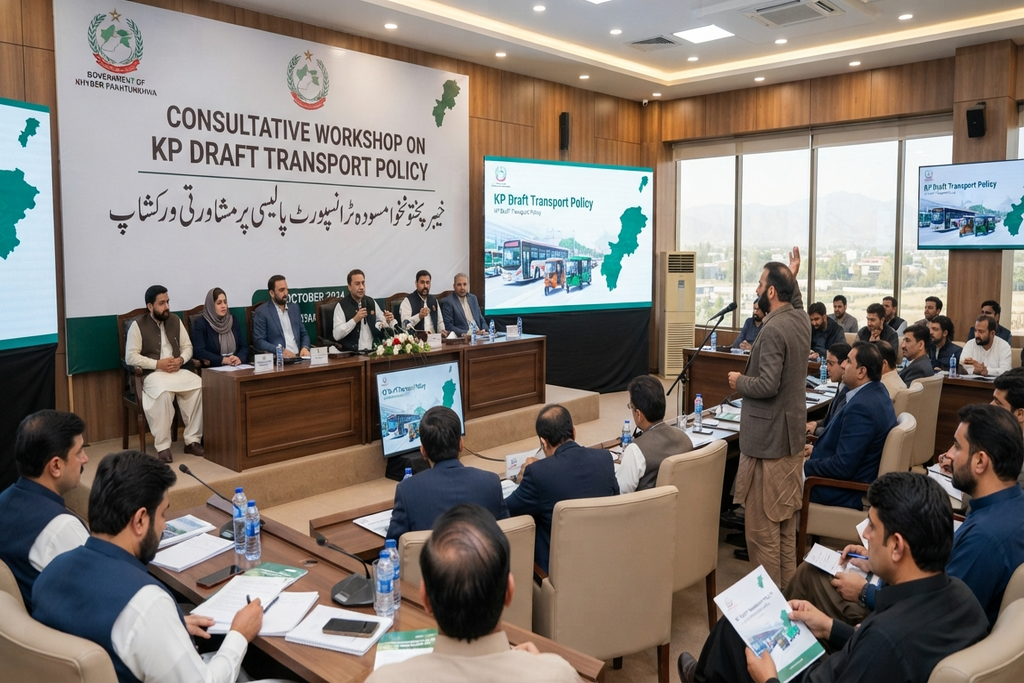
The Government of Khyber Pakhtunkhwa (KP) has officially put in place the first-ever comprehensive transport policy framework for the region, marking a historic change in approach towards regional urban planning and digital governance. The comprehensive regulatory framework, designed by KP Transport and Mass Transit Department, will move the province from the current silo-based and manual approach to transit regulation to a data-driven, network-integrated framework.
The basic goal of this master plan is to optimise inter-district shipping networks, remove manual bureaucratism hurdles and implement artificial intelligence (AI) and cloud computing in day-to-day commuter logistics on a systematic basis. The framework seeks to modernize public and commercial transport corridors as a whole, combining modern traffic analytics with sustainable ALDs.
Driving the Electric Vehicle (EV) Transition and Charging Infrastructure
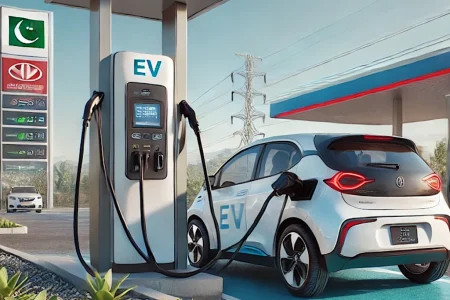
The strong mitigation targeting of the newly formulated policy to climate change metrics and international emission benchmarks is a key pillar of the policy. The transport department has drawn up a special plan for a green mobility corridor for key industries and residential areas like Peshawar, Mardan, Abbottabad and Swat.
The strategic technical parameters which have been fixed in the framework are:
Decarbonizing Public Fleets: Aggressively replacing high-emission diesel buses, commercial delivery vans, and local e-rickshaws with high efficiency electric vehicles using long-life Lithium Iron Phosphate (LiFePO4) batteries.
Automated Charging Grids: Developing an automated EV charging terminal network on all key provincial roads, motorways and bus hubs.
Expanding Mass Transit and Implementing Cashless Payment Frameworks
Building directly upon the operational success of the Zu Peshawar Bus Rapid Transit (BRT) infrastructure, the new policy mandates a decentralized expansion of automated mass transit models into secondary districts. The department is systematically deploying cloud-based ticketing software to transition all commuter interactions into an entirely paperless and cashless user interface.
The web-integrated network deploys three major user-focused innovations:
Unified QR-Code Fare Processing: The manual process of fare collection using cash will be replaced by secure mobile apps, with the commuters able to collect fares by scanning the QR code directly from the verified digital banking node.
Live Telemetry and Real-Time Tracking: Centralized Global Positioning System (GPS) telemetry feeds to public cloud servers allow passengers to see its automated Estimated Time of Arrival (ETA) projections on the personal terminal on their mobile phones.
Equitable seat allocation on all public buses and special physical terminal adjustments: Creation of a legal, structured seat allocation matrix and of a special layout of the buses and physical terminals that will ensure absolute safety and accessibility for women, senior citizens and persons with disabilities.
Scientific Road Safety Audits and Automated Licensing Overhauls
To aggressively reduce traffic fatalities, provincial management has mandated a comprehensive, data-driven Road Safety Audit across all core arterial roads to technically map, identify, and restructure infrastructure black spots.
Furthermore, the transport authority is rolling out an updated driving licensing registry integrated directly with the National Database and Registration Authority’s (NADRA) biometric authentication portal. This automated integration effectively eliminates duplicate records and manual testing loops to enforce total regulatory transparency. Following formal review and final approval from the provincial cabinet, this foundational draft will be officially enacted into statutory state law.


4 Comments
Pingback: ECC Local Government Election Funds Clearance| Pakistan Truth
Pingback: President Reaffirms Strategic Ties at Pakistan Spain Bilateral Friendship Summit
Pingback: Karachi Shahra e Quaideen Signal Free Corridor | Pak Truth
Pingback: Islamabad Driving License Home Delivery Service | Pak Truth